Living Knoxville Tennesseewith Denise Yeo, Realtor
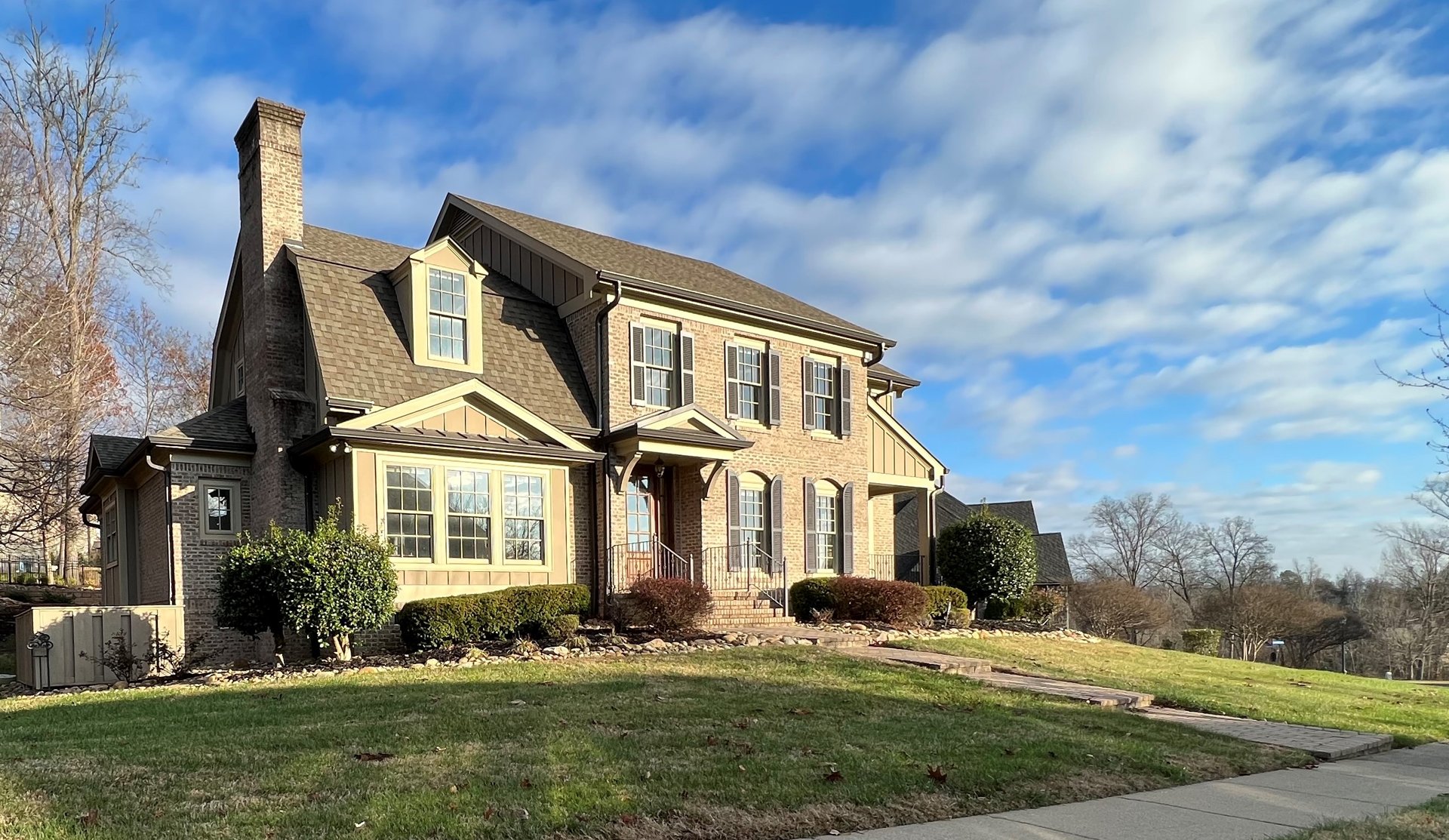
    A refined East Tennessee residence set against rolling foothills at golden hour

    Distinctive Properties. Thoughtful Decisions.

    Luxury Living in Knoxville & East Tennessee

    Begin with the life you want—not simply a price range.

    In East Tennessee, luxury can take many forms: an architecturally distinctive home on an established Knoxville street, a waterfront property designed around time on the lake, acreage with room and privacy, a custom residence with mountain views, or a low-maintenance home close to the places you use every day.

    The right choice depends on more than finishes or square footage. It begins with how your family wants to live, where daily life will happen and what the property will ask of you over time. This guide is designed to help you compare those possibilities with greater clarity before concentrating on individual homes.

    Search available properties on DeniseYeoRealtor.com

    Explore the Possibilities

    Start With the Life You Want

    Luxury is not one house style or one Knoxville address. It may mean mature trees and architectural character, community amenities and a golf-oriented setting, direct access to the water, or enough land to create privacy and room for the life you imagine.

    Begin with the experience you want from the property. Each setting offers something meaningful—and each introduces practical questions that deserve attention before a family concentrates on individual homes.

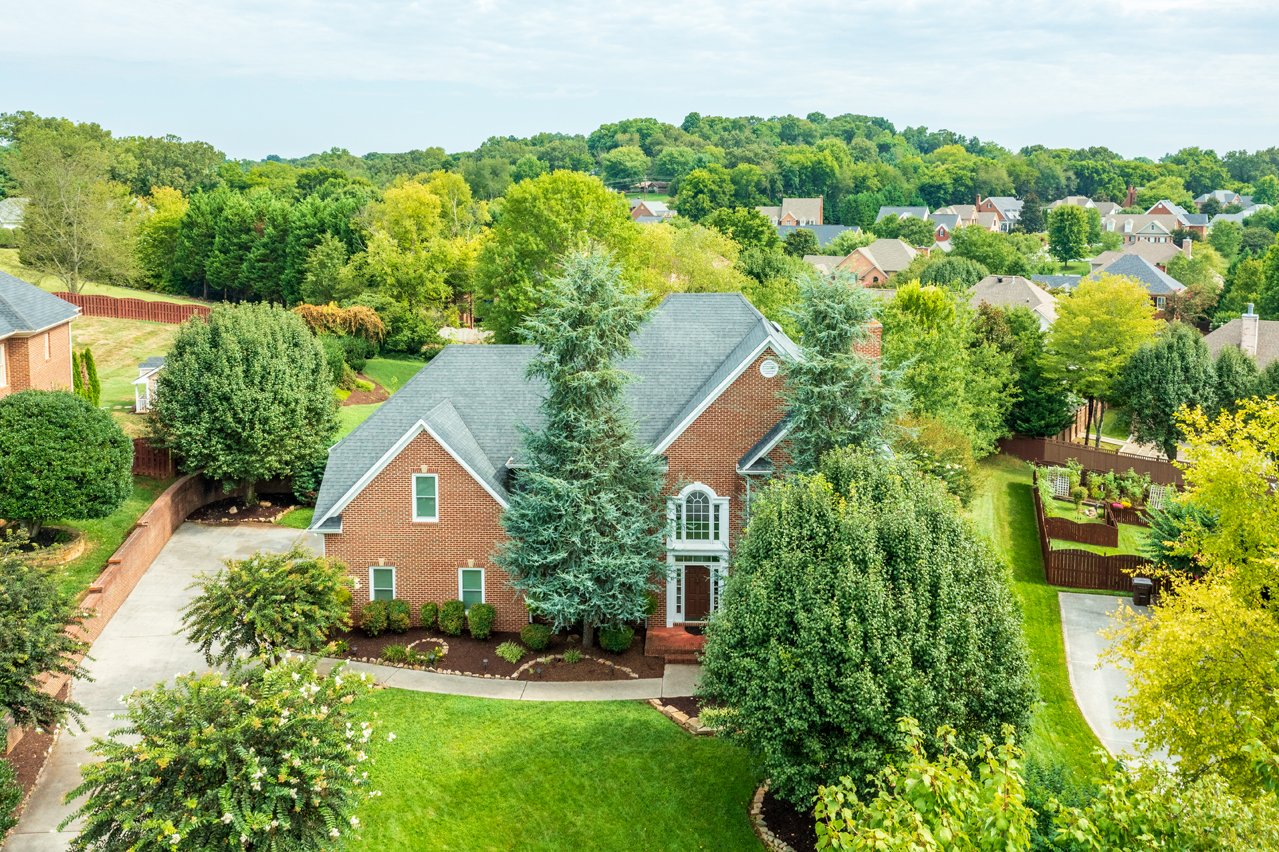
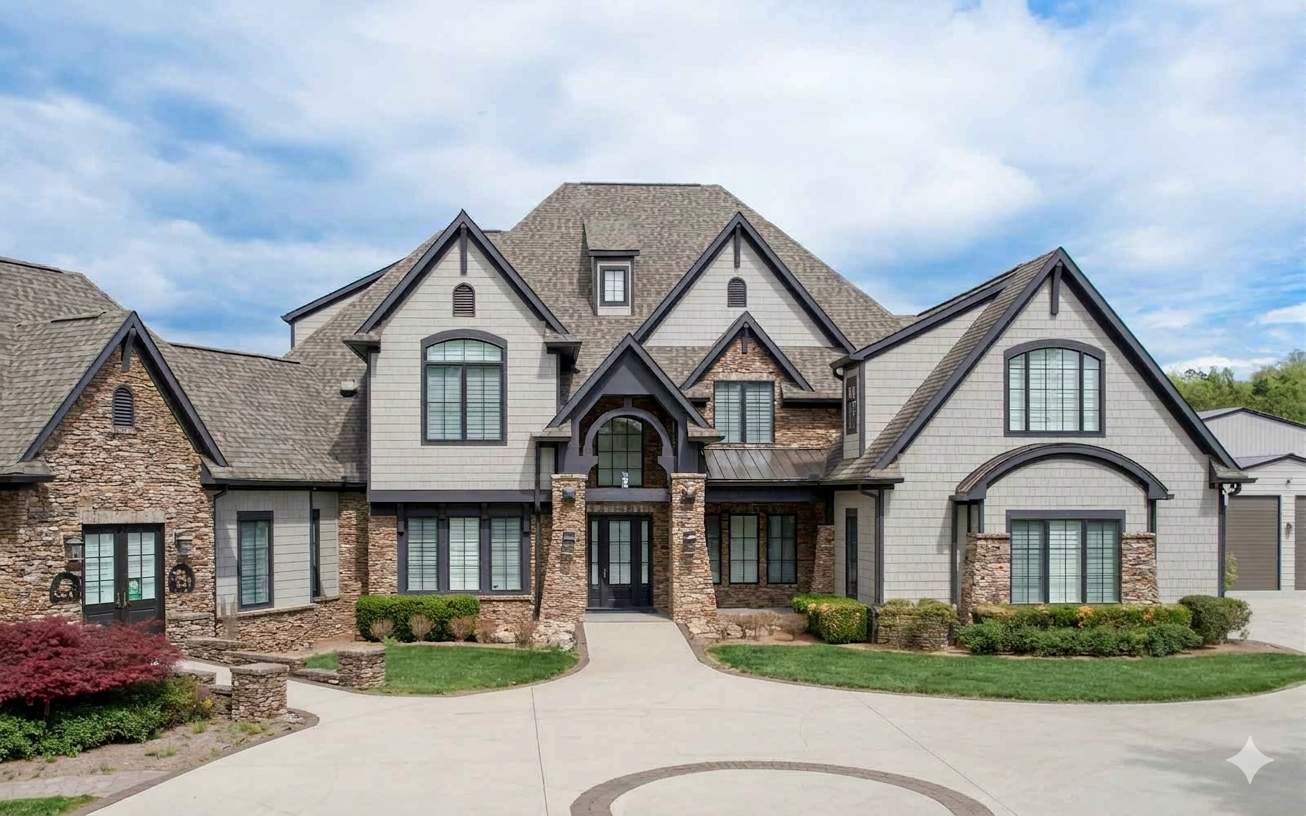
    Craftsman stone and siding estate home with circular driveway in an established neighborhood

    Established Neighborhood Living

    Mature landscapes, architectural character and proximity to Knoxville's established destinations can make an older neighborhood especially appealing. The evaluation may extend beyond style and location to renovation history, building systems, drainage, tree care, preservation considerations and how the home supports present-day living.

    Explore Knoxville Neighborhoods
    Refined planned-community stone and brick estate home

    Gated & Golf Community Living

    Planned amenities, maintained common areas and architectural consistency can create an appealing community experience. Before choosing a property, review association obligations, architectural controls, membership arrangements, guest access, amenity costs and the distinction between owning a home and holding club privileges.

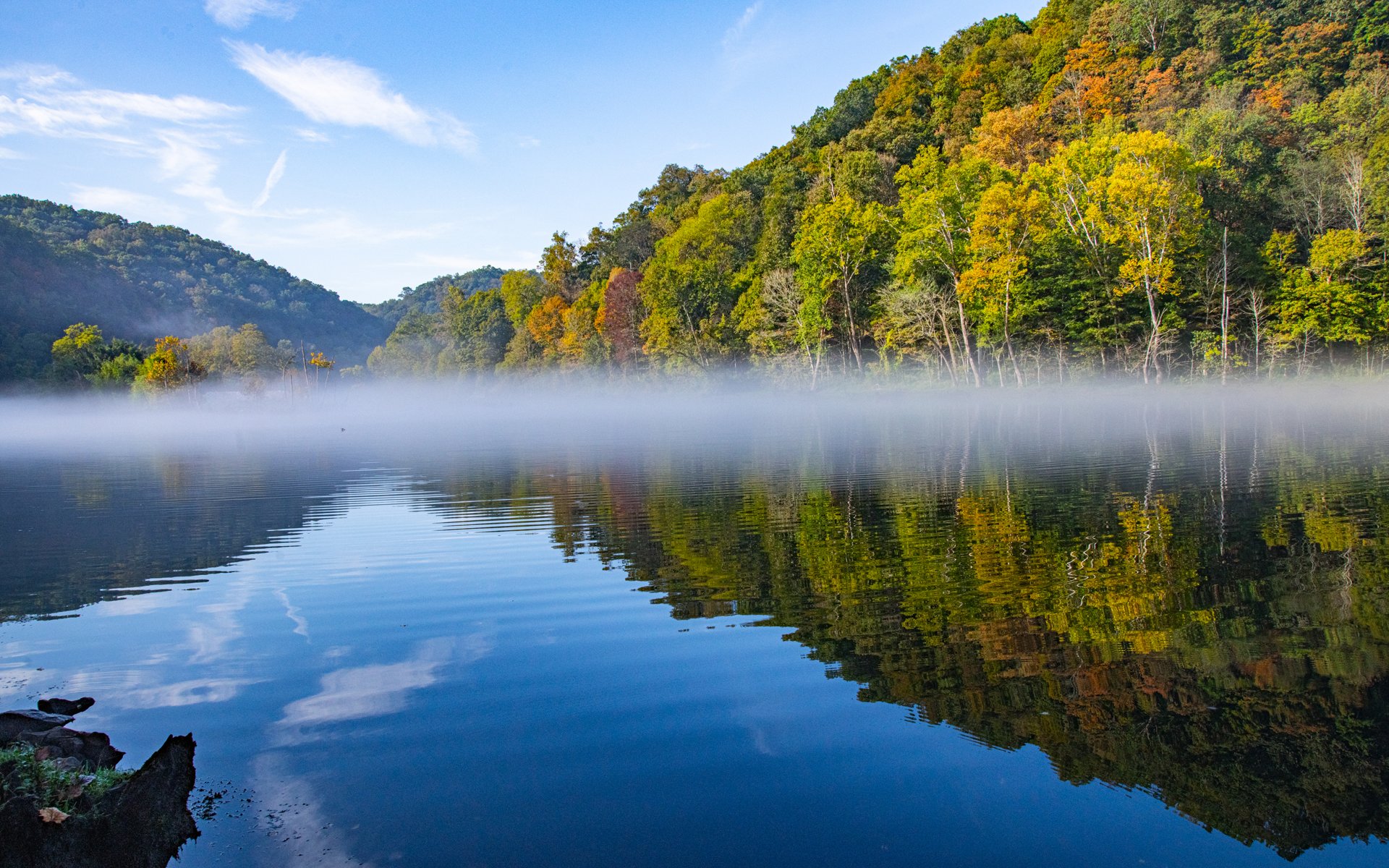
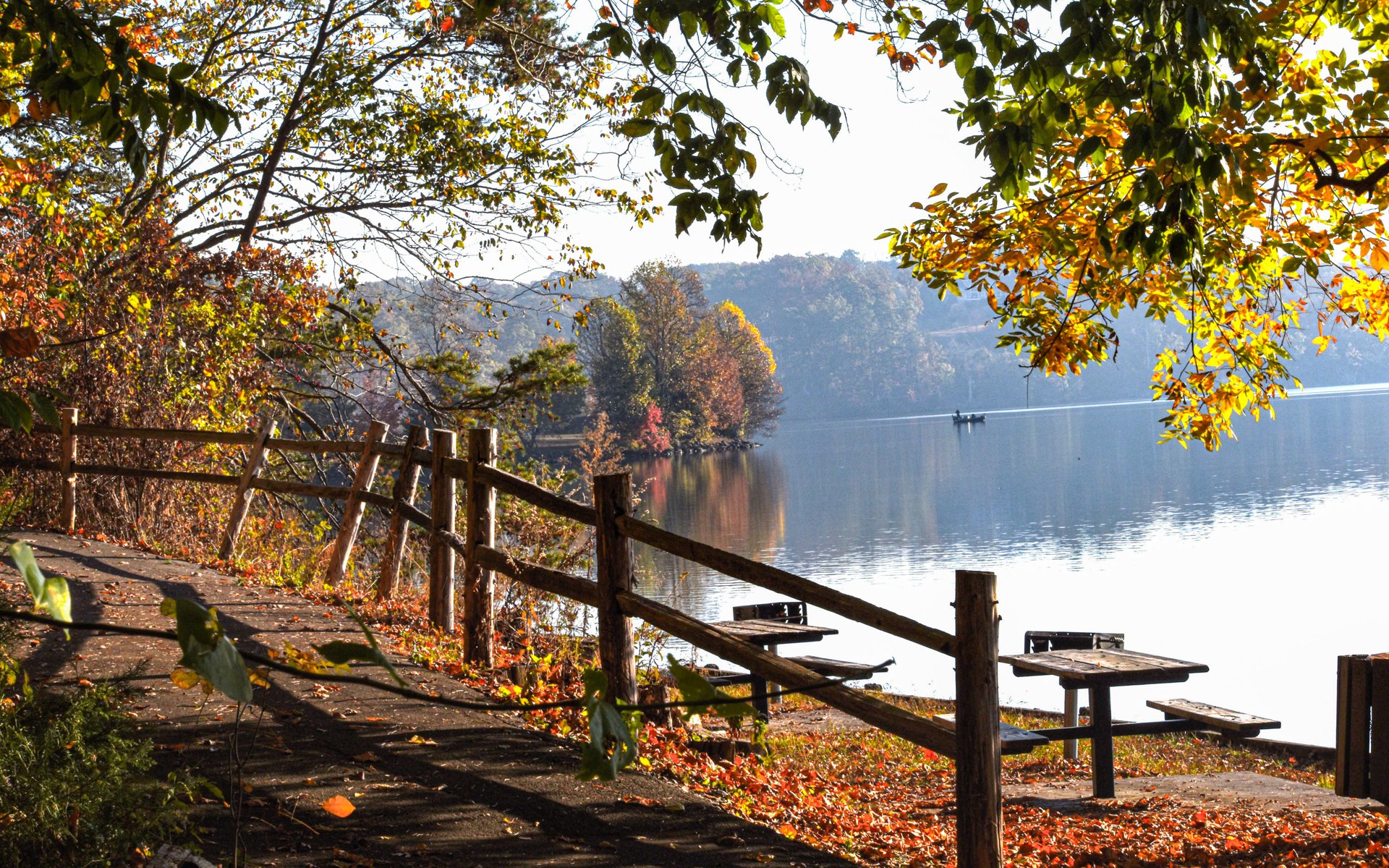
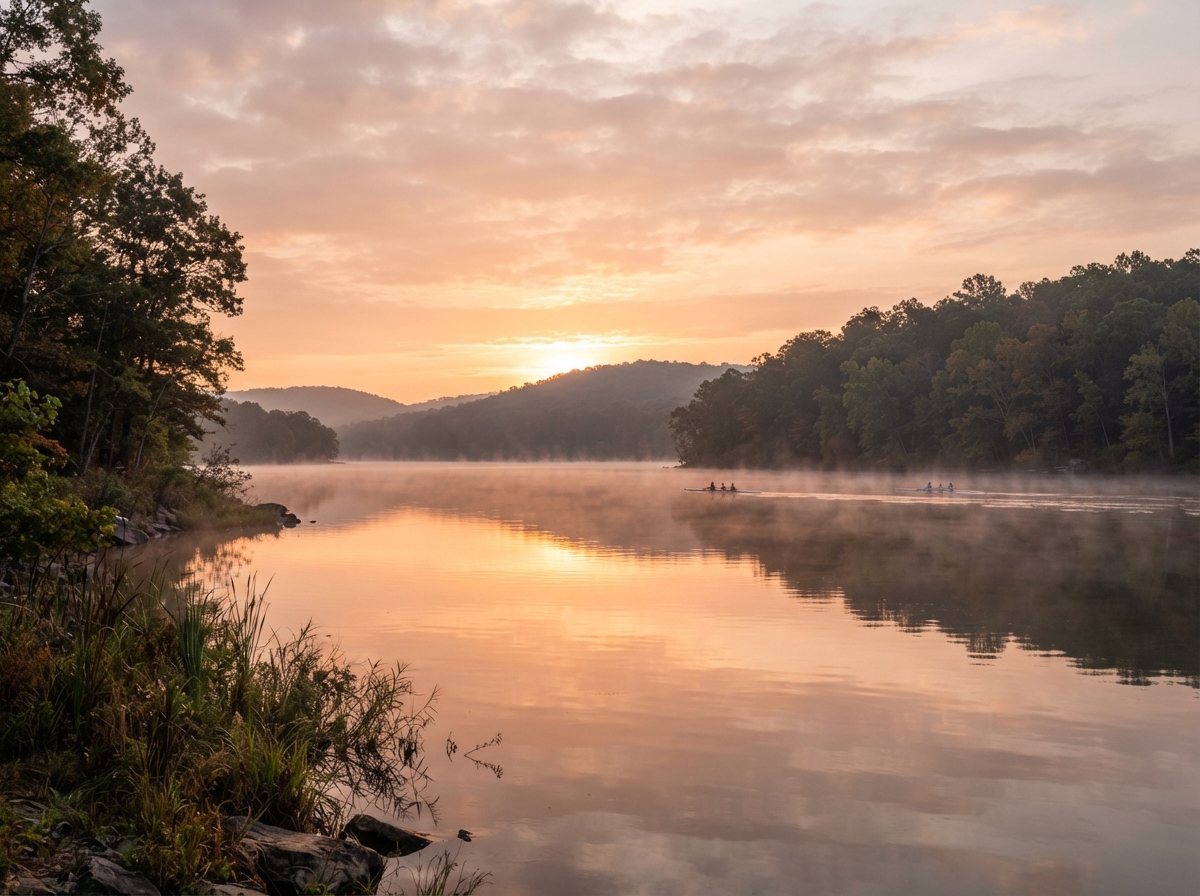
    Scenic East Tennessee lake with misty morning reflections and vibrant foliage

    Lakefront & Waterfront Living

    Life on or near the water may center on boating, views, quiet coves or everyday connection to the outdoors. Direct waterfront, community lake access and a seasonal lake view are not interchangeable, making shoreline relationships, dock status, water levels, access and property-specific rights essential parts of the comparison.

    Explore East Tennessee Lake Living
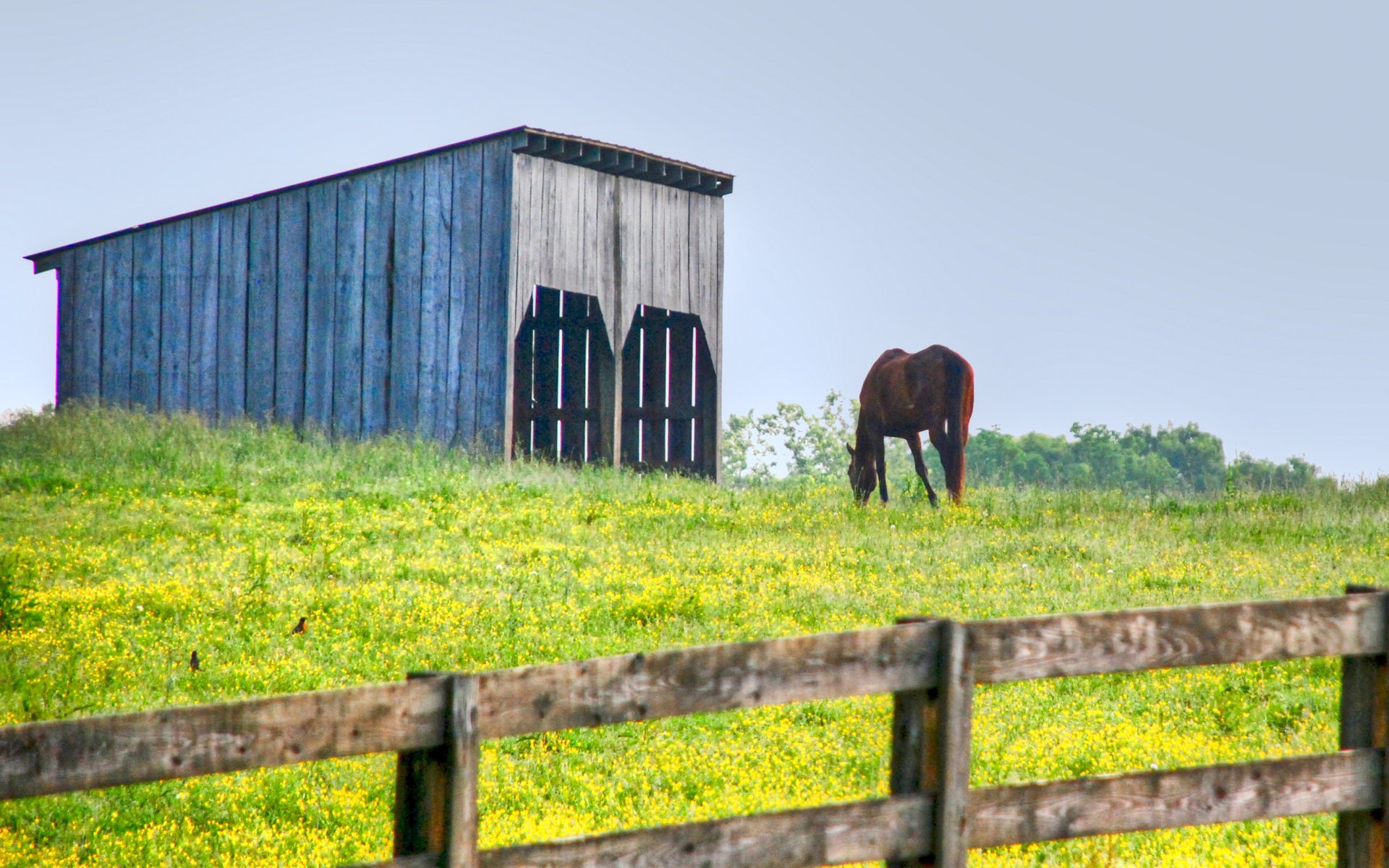
    East Tennessee residence with acreage and equestrian infrastructure

    Acreage, Privacy & Equestrian Living

    Land can provide separation, space for animals, gardens, guest accommodations or simply a quieter setting. It can also introduce questions about boundaries, topography, access, fencing, utilities, water sources, septic capacity, outbuildings, land maintenance and whether an intended use is permitted.

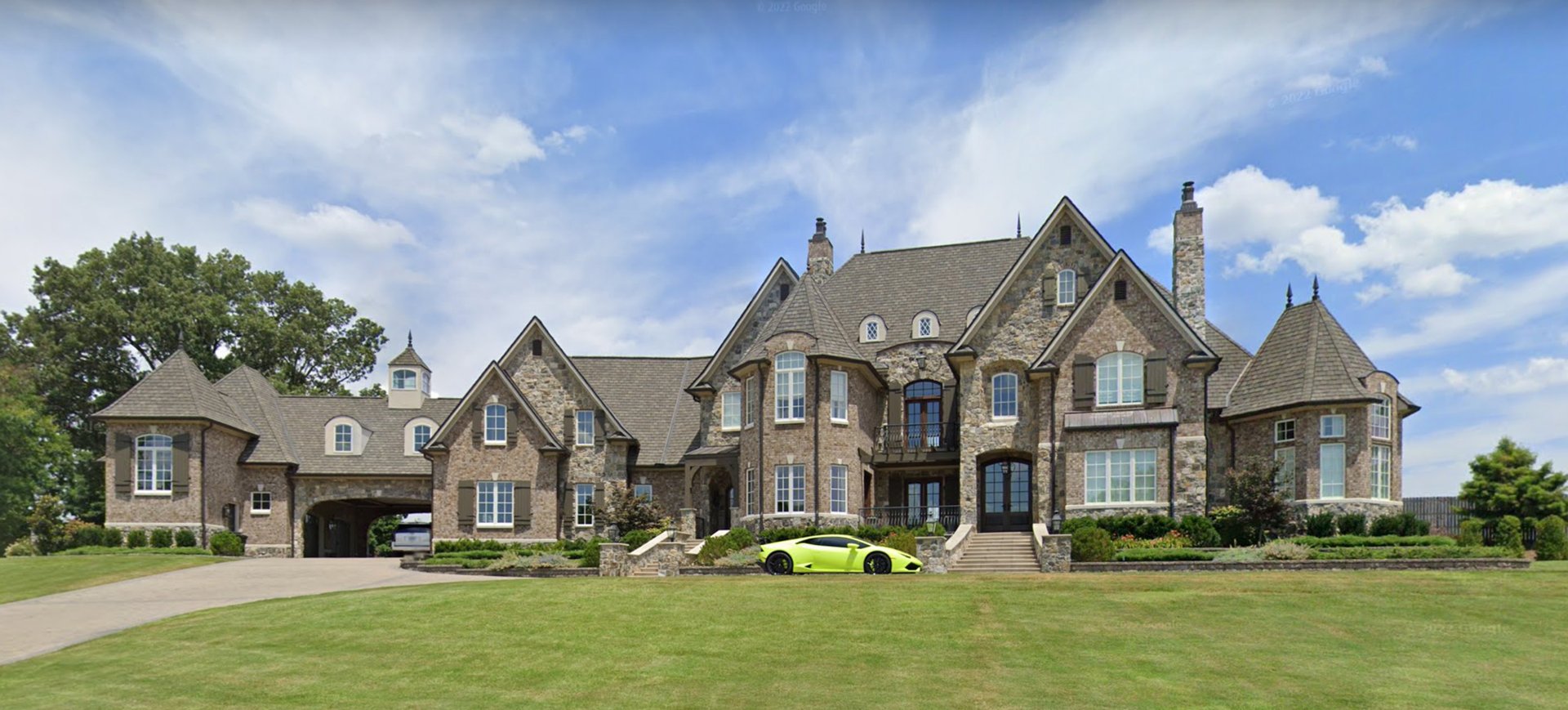
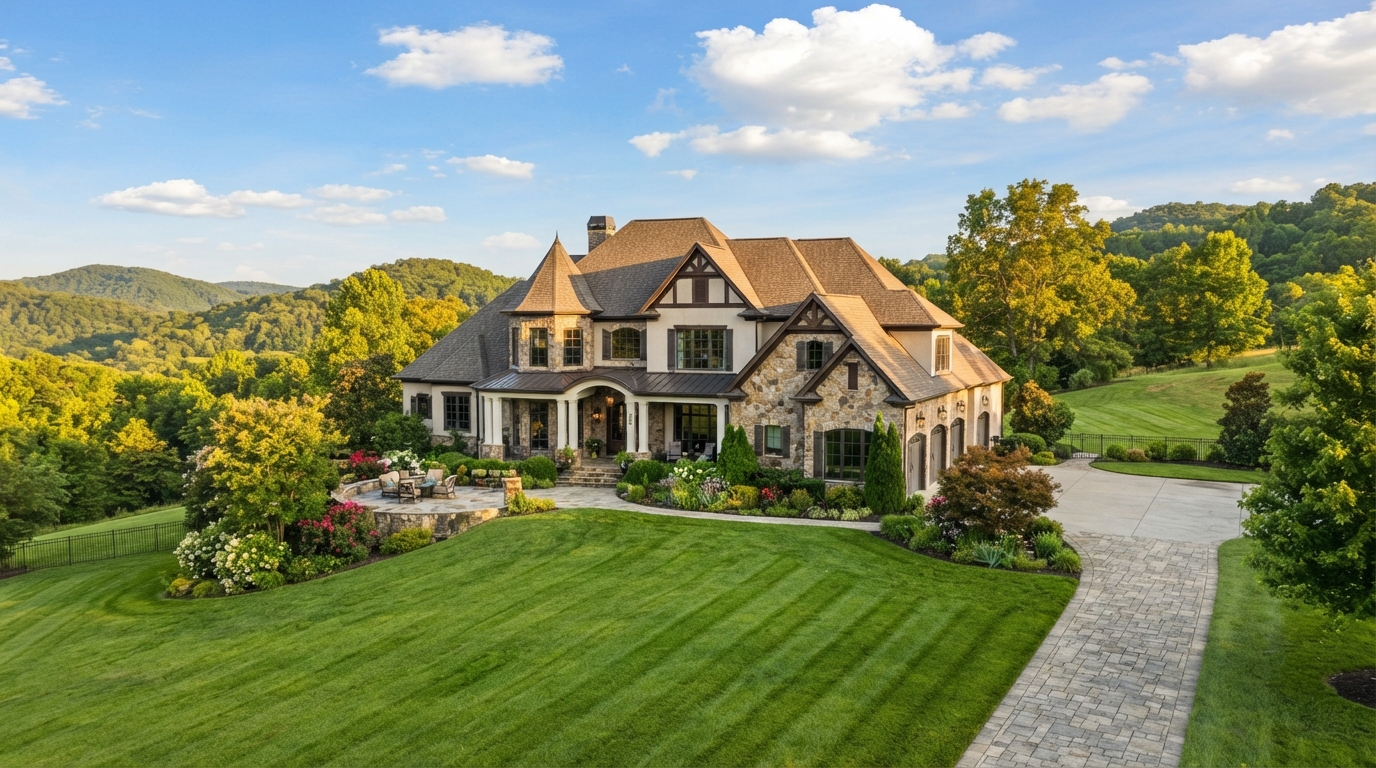
    Grand custom stone estate with turrets and expansive lawn in East Tennessee

    Custom & New Construction

    A newly completed or custom-built home can offer current systems, purposeful layouts and the opportunity to choose details around the way a family lives. The comparison should also address builder history, what is included, allowances, warranties, completion timelines, lot characteristics, neighborhood buildout and the cost of choices that may not appear in the base price.

    Downtown Knoxville alley with murals and overhead string lights

    Downtown & Low-Maintenance Living

    A downtown residence can exchange acreage and exterior upkeep for walkability, views and proximity to Knoxville's cultural and civic life. Building condition, association finances, insurance, parking, storage, renovation rules, rental restrictions and the distinction between a loft, condominium and attached residence deserve building-specific review.

    Explore Downtown Knoxville
    East Tennessee foothill residence with panoramic mountain views

    Mountain & Panoramic-View Living

    Foothill and ridge settings can offer remarkable light, long views and a closer relationship to East Tennessee's landscape. A thoughtful evaluation also considers view orientation, seasonal vegetation, neighboring land, slope, drainage, driveway access, utilities, internet service, emergency access and travel time to everyday destinations.

    Explore the Great Smoky Mountains & Nearby Communities
    Flexible family residence with multiple gathering areas

    Multigenerational & Flexible Living

    A property may need to welcome adult children, aging parents, long-term guests, caregivers or changing household needs. Useful features can include flexible suites, accessible circulation, multiple gathering areas and privacy between generations—but permitted use, bedroom capacity, entrances, kitchens and accessory structures should be verified for the specific property.

    The setting that first captures your attention may not be the one that ultimately fits your family best. Knoxville and the surrounding East Tennessee communities offer different relationships to water, land, convenience, recreation and long-term property care.

    Understanding the Region

    Where Luxury Takes Different Forms

    From established city streets to open water and foothill acreage, location changes both the experience and the responsibilities of ownership.

    Knoxville and the surrounding East Tennessee region do not have one concentrated luxury district. Distinctive homes appear across established neighborhoods, newer communities, lake corridors, downtown buildings and properties with land. The same price can represent very different combinations of architecture, setting, convenience, privacy and ongoing care.

    Use these regional groups as a starting point rather than a ranking. Community boundaries, travel times, services, restrictions and property characteristics vary, and the final evaluation should always be based on the specific address.

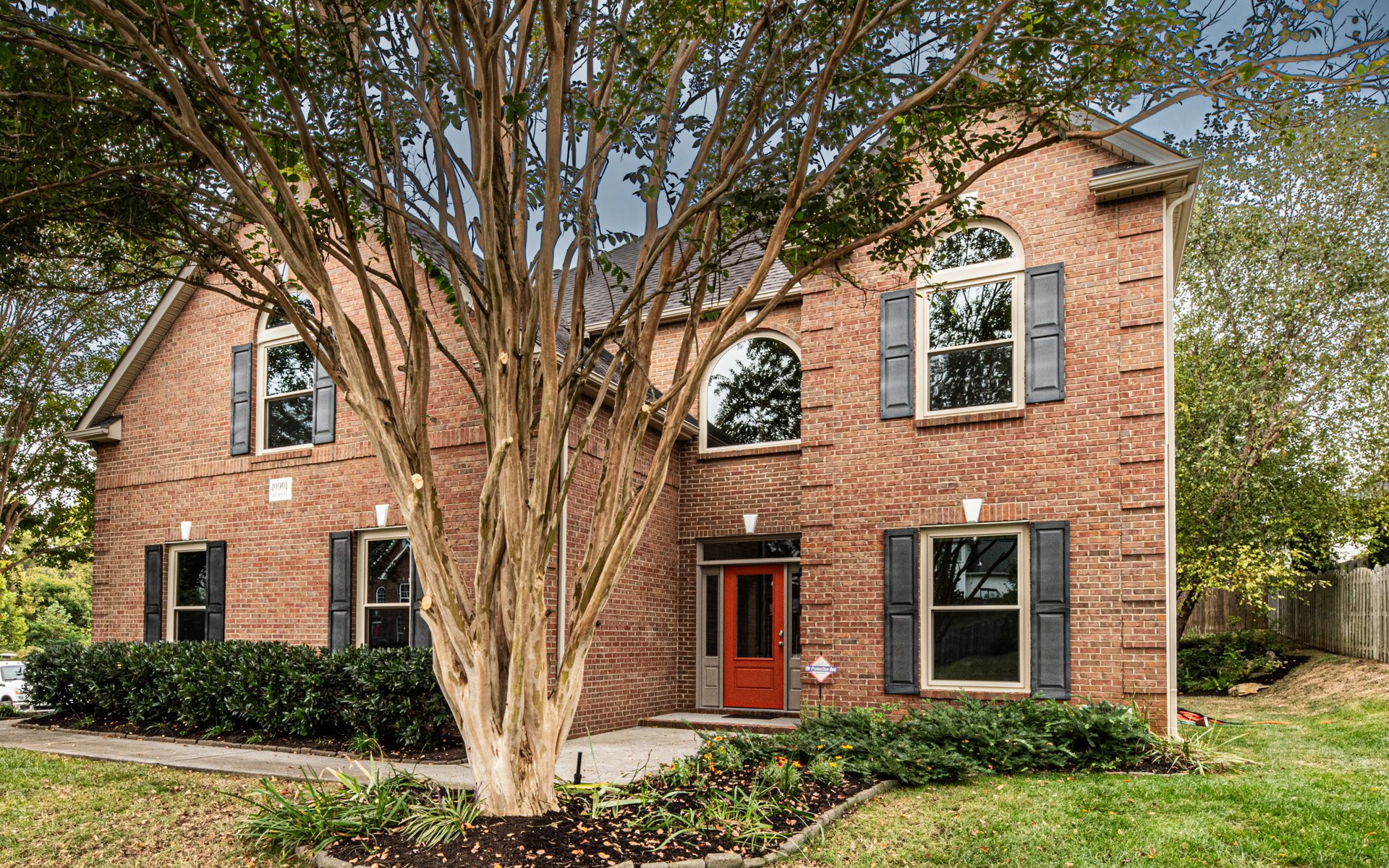
    Established Knoxville home with brick exterior and manicured lawn

    Established Knoxville Neighborhoods

    Knoxville's established residential areas can offer mature tree canopies, architectural variety and proximity to the city's cultural, medical, university and commercial destinations. Distinctive properties may include historic residences, thoughtfully renovated homes, mid-century architecture and newer construction introduced into an older neighborhood fabric.

    The appeal of an established setting comes with property-specific questions. Renovation history, older systems, drainage, topography, tree care, additions, surveys and any applicable design or preservation requirements should be considered alongside the location and architecture.

    West Knoxville residential home near Farragut

    West Knoxville, Northshore & Farragut

    West Knoxville and the communities extending toward Northshore, Concord and Farragut offer a broad range of residential settings. Buyers may encounter established subdivisions, custom homes, newer enclaves, golf-oriented communities and properties connected to the Fort Loudoun Lake corridor.

    Daily access to commercial areas and major routes can be an important advantage, but conditions differ substantially by address. Traffic patterns, municipal or county services, association requirements, lake relationships, renovation history and future development nearby should be evaluated at the property level.

    Hardin Valley residential home in northwest Knox County

    Hardin Valley & Northwest Growth Areas

    Hardin Valley and nearby northwest growth areas can provide newer neighborhoods, custom construction and occasional properties with more land. The setting can appeal to buyers who want newer residential choices while remaining connected to employment and commercial corridors through Pellissippi Parkway and surrounding roads.

    Growth is part of the evaluation. Road access, peak travel patterns, nearby construction, future land development, utility service, septic conditions where applicable, association documents and what remains to be built within a community should all be reviewed for the specific location.

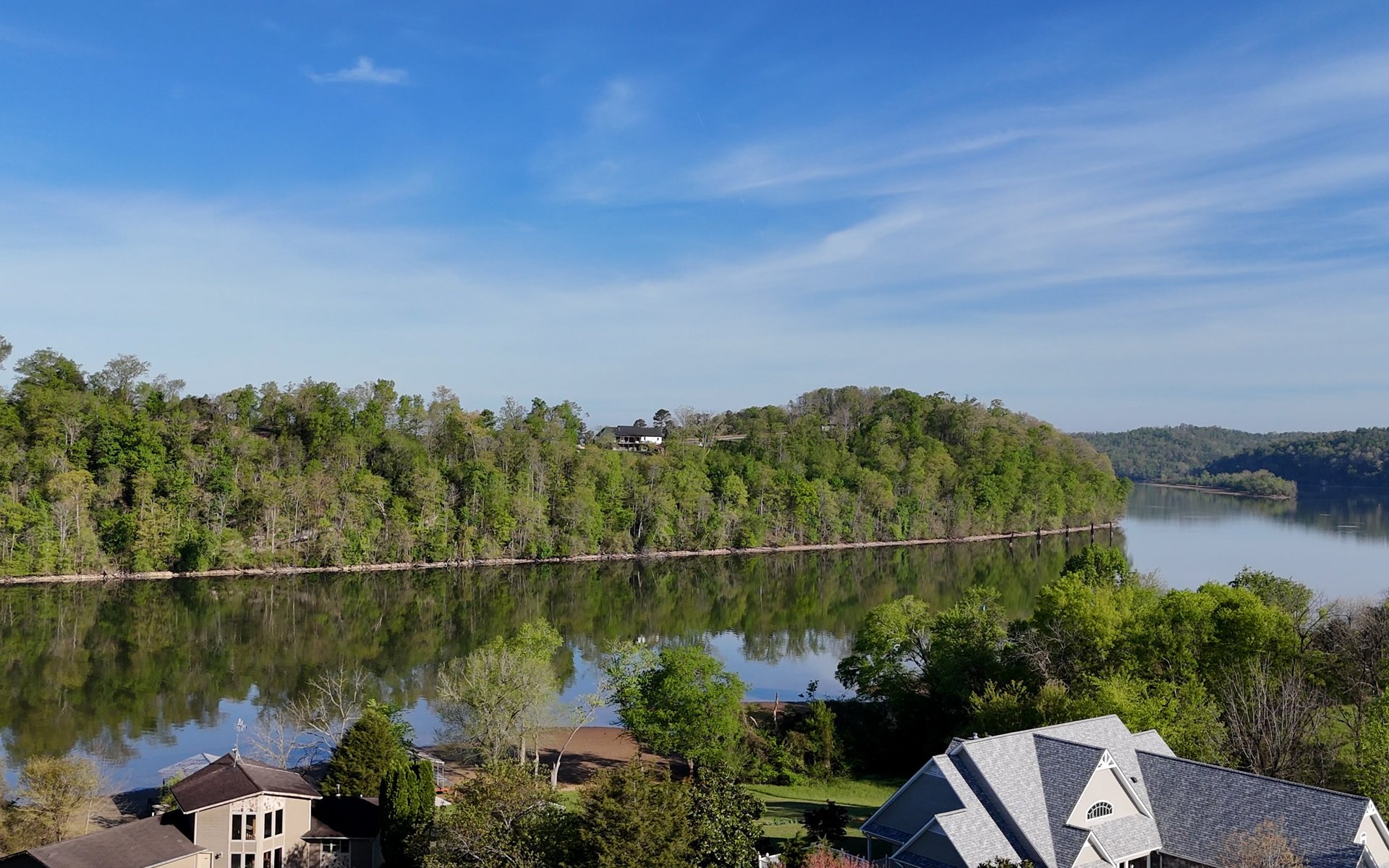
    East Tennessee lake corridor with residential waterfront setting

    Loudon County & the Southwest Lake Corridor

    Southwest of Knoxville, the Fort Loudoun and Tellico lake corridors connect waterfront properties, planned communities, golf-oriented settings, rural land and the towns of Lenoir City and Loudon. The range allows buyers to compare direct shoreline ownership with community lake access, amenities and independent properties beyond the best-known developments.

    The tradeoffs can be as important as the view. Travel to regular destinations, dock and shoreline status, association or membership obligations, water and septic service, internet availability, topography and the difference between seasonal use and full-time ownership should be verified for each property.

    Maryville and Alcoa residential setting in Blount County

    Maryville, Alcoa & Blount County

    Maryville, Alcoa and the surrounding portions of Blount County offer several different relationships to East Tennessee living. A buyer may compare established in-town homes, newer residential communities, foothill views and properties with land—all within a county connected to Knoxville, the airport and gateways to the Great Smoky Mountains.

    The experience changes with the address. Travel routes, city or county services, utilities, topography, nearby land use, septic conditions where applicable and the distance to regular destinations should be tested rather than assumed from a broad community description.

    Street musicians performing on Market Square in downtown Knoxville

    Downtown Knoxville

    Downtown Knoxville offers a distinct form of luxury shaped by architecture, views and proximity to restaurants, arts, events, the Tennessee River and the University of Tennessee. Residences range from adapted historic buildings and lofts to more conventional condominiums, with meaningful differences among individual buildings.

    The building is part of the purchase. Association finances, insurance, reserves, maintenance responsibilities, parking, storage, elevators, renovation rules, rental restrictions and financing considerations should be reviewed along with the residence itself.

    Oak Ridge and Melton Hill regional residential landscape

    Oak Ridge, Melton Hill & Regional Acreage

    Oak Ridge and the surrounding Melton Hill corridor combine an established employment center with wooded residential settings, water access, recreation and properties extending into less densely developed areas. Depending on the location, a buyer may encounter mid-century architecture, renovated homes, newer construction, lake-oriented properties or acreage.

    Property context matters across this broad area. County and municipal boundaries, regular travel routes, shoreline relationships, topography, private-road responsibilities, utilities, internet service, septic capacity and the maintenance demands of wooded or larger parcels should be evaluated for the specific address.

    A starting point, not a property conclusion
    These regional descriptions provide general orientation. Community boundaries, travel times, schools, taxes, utilities, zoning, restrictions, road conditions, insurance, amenities and property characteristics should be independently verified for the specific address. A setting can change substantially from one road, shoreline segment, building or parcel to the next.

    Denise’s Decision Framework

    The Distinctive Property & Lifestyle Review

    The right property is not determined by finishes alone.

    A distinctive home should support the way your family lives, reflect the setting you value and remain understandable and manageable through the years ahead. Before concentrating on individual listings, it helps to organize the decision around five connected questions.

    The Distinctive Property & Lifestyle Review is a conversation framework—not a test with one correct answer. It helps identify what matters most, where tradeoffs may be acceptable and which property details deserve closer investigation.

    01

    Life

    How will your family actually use the home?

    Begin with daily patterns rather than a feature list. Consider the people who will live in the home, the people who may visit, the activities that matter and the destinations that shape an ordinary week. A property can be impressive and still create friction if its layout or location does not support everyday life.

    Questions to consider

    • Where will work, healthcare, travel, recreation and regular commitments happen?
    • How often will guests or extended family stay, and what would make those visits comfortable?
    • Which spaces would be used every day, and which features are attractive but unlikely to matter in practice?
    02

    Place

    What relationship do you want with the surrounding community and landscape?

    The setting influences far more than the view. It affects travel patterns, privacy, access to services, connection to water or recreation and the degree to which a family depends on a car, a community association or private infrastructure. The right place balances what you want nearby with the separation you value.

    Questions to consider

    • Would you rather prioritize city access, community amenities, waterfront, acreage or a quieter foothill setting?
    • How much travel is comfortable for the destinations your family uses most often?
    • What tradeoff between privacy and convenience would still feel right after the novelty of the setting wears off?
    03

    Property

    What are you truly buying beyond the rooms and finishes?

    A distinctive purchase may include architecture, land, shoreline relationships, accessory structures, specialized systems or association-based rights and obligations. The visible home is only one part of the property. Understanding what is legally conveyed, physically present and supported by documentation is essential.

    Questions to consider

    • Which features create the property's value for your family: architecture, water, land, views, location or flexibility?
    • What surveys, permits, agreements, plans or maintenance records should be reviewed?
    • Which parts of the property require specialist evaluation beyond a general home inspection?
    04

    Stewardship

    What will the property require after closing?

    Ownership may involve more than routine home maintenance. Grounds, shoreline, pools, elevators, generators, private roads, older materials, extensive mechanical systems or community obligations can require time, planning and specialized help. A thoughtful decision considers the ongoing responsibility as carefully as the initial attraction.

    Questions to consider

    • Which systems, structures or portions of the land will require specialized or recurring care?
    • What association, road, dock, landscape or membership obligations accompany ownership?
    • Would the expected time, cost and coordination remain comfortable during busy or changing seasons of family life?
    05

    Possibility

    Can the property continue to serve the life ahead?

    The best choice should make sense beyond the day of purchase. Consider whether the home can accommodate changing mobility, extended family, remote work, long-term guests or a future shift between primary and seasonal use. Flexibility does not require predicting everything; it means recognizing which changes the property could support.

    Questions to consider

    • Could the layout adapt if household needs, mobility or caregiving responsibilities change?
    • Would the property still feel workable if it were used differently five or ten years from now?
    • Which characteristics may support future marketability, and which are highly personal to your family?

    These five parts are connected. A setting that offers greater privacy may require more driving and property care. A waterfront home may create the life a family imagines while introducing shoreline, dock and insurance questions. A beautifully renovated older home may provide architectural character while deserving closer review of the work completed behind the finishes.

    The purpose of the review is not to eliminate every tradeoff. It is to help your family recognize which tradeoffs are comfortable, which questions need answers and what should guide the search before a particular property captures everyone's attention.

    The Distinctive Property & Lifestyle Review is a general planning conversation. It is not an inspection, survey, appraisal, legal opinion, tax analysis, insurance determination or guarantee of a property's condition, use, value or future marketability. Property-specific questions should be evaluated with the appropriate qualified professionals and responsible agencies.

    Property-Specific Questions

    What the Photographs Don’t Tell You

    The most consequential details of a distinctive property are not always the most visible.

    Photography can reveal architecture, finishes and a compelling setting. It cannot establish a boundary, confirm a permitted use, explain an association's finances or show how a shoreline, driveway or drainage system behaves under changing conditions.

    Not every question below applies to every home. The purpose is to recognize which areas deserve closer attention for the particular property—not to assume that complexity means something is wrong.

    Land, Boundaries & Access

    The visible lawn, woods, driveway or fence line may not show the property's legal or practical relationships. A current survey and recorded documents can be especially important when land, privacy or access contributes materially to the purchase.

    • What do the survey, legal description and recorded plats establish?
    • Are fences, driveways, retaining structures or improvements located where expected?
    • Do easements affect access, utilities, drainage, shared facilities or another party's use?
    • Is the road public, private or shared, and who is responsible for maintenance?
    • How do slope, drainage, soil conditions and emergency access affect use and upkeep?

    Appropriate resources may include: Surveyor, real estate attorney, civil or geotechnical professional, home inspector, applicable local government and recorded county documents.

    Water, Shoreline & Views

    Waterfront, lake access and a lake view describe different relationships. A beautiful summer image does not confirm shoreline rights, dock approval, year-round water, flood information or whether a view can change.

    • What is the property's legal relationship to the shoreline and any intervening land?
    • Is an existing dock or shoreline improvement properly documented, and does it match the approval?
    • How may reservoir operations, seasonal water levels, cove conditions or water depth affect use?
    • What do current flood maps, property elevations, drainage patterns and insurance information show?
    • Is a view broad, partial or seasonal, and which surrounding land or vegetation is outside the owner's control?

    Appropriate resources may include: Tennessee Valley Authority where applicable, surveyor, real estate attorney, insurance professional, lender, home inspector, FEMA resources and the responsible local agencies.

    Utilities, Systems & Specialized Features

    Distinctive homes may depend on private infrastructure or systems that require specialized knowledge. Confirming capacity, condition, service history and replacement planning can be as important as evaluating visible finishes.

    • Is the property served by public water and sewer, a well, a septic system or a combination?
    • What capacity, permits, records and repair areas apply to septic or private-water systems?
    • What should be understood about pools, elevators, generators, geothermal equipment, extensive smart-home systems or specialty mechanical equipment?
    • Are internet, cellular service, power reliability and backup systems suitable at the exact address?
    • Which systems require specialized maintenance, monitoring or service providers?

    Appropriate resources may include: Licensed inspectors, septic and well professionals, pool or elevator specialists, electricians, HVAC professionals, utility providers, internet providers and responsible permitting agencies.

    Associations, Buildings & Intended Use

    Rights and responsibilities may extend beyond the home itself. Community documents, club arrangements, condominium finances, architectural controls and local regulations can affect both daily life and future plans.

    • What do association declarations, bylaws, rules, budgets, reserves and recent meeting records show?
    • Are club or golf privileges included with ownership, separately available or subject to different obligations?
    • What architectural-review requirements apply to renovations, additions, landscaping or exterior changes?
    • How are parking, storage, common elements, private roads or shared amenities assigned and maintained?
    • Are guest quarters, additional kitchens, accessory structures, animals, rentals or another intended use permitted for the specific property?

    Appropriate resources may include: Real estate attorney, association or management company, lender, insurance professional, local planning or codes office and other qualified advisors relevant to the intended use.

    Architecture, Improvements & Ownership Planning

    Architectural character and extensive improvements can be central to a property's appeal. Documentation helps a buyer understand what was changed, how specialized materials or systems have been cared for and what the property may require over time.

    • What permits, plans, warranties, invoices and renovation records are available?
    • Were major additions or conversions completed with the approvals required at the time?
    • Do historic materials, custom finishes or unusual construction methods require specialist care?
    • What are the likely recurring responsibilities for grounds, trees, water features, outbuildings or extensive exterior improvements?
    • What should the family discuss with its lender, insurer, tax advisor and estate-planning professionals before closing?

    Appropriate resources may include: General and specialist inspectors, contractor, architect, engineer, arborist, insurance professional, lender, attorney, tax advisor and relevant permitting offices.

    A family does not need every answer before beginning a search. It does help to know which questions may become important before a contract establishes deadlines and emotions begin moving faster than the investigation.

    Denise can help organize property information, identify questions for the appropriate professionals and keep the family's priorities visible throughout the process. The conclusions themselves should come from the records, inspections, responsible agencies and qualified specialists appropriate to the property.

    General educational information
    This resource is not a complete due-diligence list and does not replace property-specific legal advice, surveys, inspections, engineering, appraisal, lending, insurance, tax advice or review by the responsible public agencies. Property boundaries, permits, access, restrictions, utilities, association obligations, insurance, condition and intended use should be independently evaluated for the specific property with the appropriate qualified professionals.
    For Families Moving to the Region

    Relocating a Family to East Tennessee

    Before choosing a house, understand how the region will shape everyday life.

    Knoxville is the center of a broader East Tennessee region that includes distinct cities, towns, counties, lake corridors and foothill communities. Two homes with similar features may create very different experiences because of road patterns, regular destinations, services, terrain and the responsibilities attached to the property.

    A useful relocation search begins by identifying what must remain accessible, what kind of setting feels meaningful and which ownership responsibilities fit comfortably. That context helps a family concentrate its time on the areas and properties most likely to support the move.

    Regional Geography & Daily Travel

    Knoxville, Farragut, Oak Ridge, Maryville, Alcoa, Lenoir City and the surrounding counties are connected, but they are not interchangeable. Test routes from the actual property to work, healthcare, the airport, regular activities and other important destinations at the times those trips are likely to occur.

    City, Lake, Foothill or Rural Setting

    An established city neighborhood, a planned lake community, a foothill residence and a private acreage property each offer a different balance of access, privacy, recreation and maintenance. Compare not only what a setting provides, but also what it may require from the household.

    Services, Utilities & Connectivity

    Municipal and county services can change across jurisdictional boundaries. Water, sewer, septic, private roads, emergency access, internet, cellular service and utility providers should be verified for the exact address rather than inferred from a city name or mailing address.

    Healthcare, Travel & Regional Connections

    Consider the healthcare systems, airport access and regional travel routes your family expects to use. A property's relationship to these destinations may matter differently for a primary residence, a seasonal home or a household expecting frequent visitors.

    Schools & Independent Research

    School assignments, programs and transportation should be researched through official district and state sources for the specific address. Families can then evaluate those facts according to their own needs without relying on generalized neighborhood descriptions or third-party rankings alone.

    Remote Search & Property Investigation

    Video tours and digital documents can help narrow a long-distance search, but they cannot fully communicate topography, road conditions, surrounding land, sound, scale or how a setting feels at different times. Plan which properties warrant in-person review and which specialists may need to evaluate them within contract deadlines.

    Relocation decisions often become clearer when the family compares a small number of genuinely different settings rather than attempting to evaluate the entire region at once. Denise can help organize that comparison and connect it to the property questions that matter most.

    General orientation, not a property conclusion
    Community descriptions provide general orientation. Boundaries, travel times, school assignments, services, taxes, utilities, zoning, restrictions, road conditions, insurance, amenities and property characteristics should be independently verified for the specific address. Questions involving law, tax, lending, insurance or other specialist matters should be reviewed with the appropriate qualified professionals.
    Choose Your Next Step

    Guidance for the Property—and the Next Chapter

    Some visitors are beginning a search. Others already own a distinctive property and are deciding whether, when or how to make a change. Both decisions benefit from clearer information before they become transactions.

    For Buyers

    Build the search around the property your family can understand and own with confidence.

    A distinctive-property search may require more than comparing bedrooms, finishes and price. The process can involve community documents, surveys, specialized systems, waterfront or land questions, remote coordination and a wider team of qualified professionals.

    Denise helps families clarify priorities, compare settings, organize property information and keep important questions visible as the search moves from possibility to a particular home.

    For Owners

    Begin by understanding the property, the family’s plans and what preparation would genuinely help.

    Distinctive homes are not always well explained by an automated estimate or a broad price-per-square-foot comparison. Architecture, land, water relationship, improvements, condition, documentation, setting and competing alternatives can all influence buyer response.

    Before deciding what to change or when to sell, gather the information that helps qualified buyers understand the property. Denise can help organize that first review and discuss whether preparation, timing or waiting may make the most sense.

    Any discussion of value, preparation, proceeds, timing or marketing must be based on the specific property and current market information. Preliminary guidance is not an appraisal, inspection, guarantee of proceeds or promise of a particular result.

    Continue Your Research

    Explore the Region More Deeply

    The right property becomes easier to evaluate when you understand the communities, neighborhoods and landscapes around it. Continue with the part of East Tennessee most relevant to your family’s plans.

    Luxury Areas & Communities

    Compare established city settings, western growth corridors, lake relationships, foothill locations, downtown residences and regional acreage through practical address-level questions.

    Compare Luxury Areas & Communities

    Luxury Home Buyer’s Guide

    Organize the search, compare settings, tour the whole property and prepare for property-specific due diligence, financing, offers, closing and ownership.

    Read the Luxury Home Buyer’s Guide

    Selling a Distinctive Home

    Organize the decisions behind preparing, positioning and marketing a distinctive property—from documenting its history and preserving meaningful features to evaluating offers and coordinating the final handoff.

    Explore the Luxury Seller’s Guide

    Waterfront, Acreage & Distinctive Properties

    Compare the questions that matter when considering waterfront, acreage, equestrian, custom, historic, gated, golf, downtown and multigenerational properties.

    Explore the Distinctive Property Guide

    Knoxville & East Tennessee Communities

    Compare cities and communities across the region, including their geography, everyday connections and different residential settings.

    Explore Communities

    Knoxville Neighborhoods

    Explore established neighborhoods and residential areas within Knoxville with context that extends beyond available listings.

    Explore Knoxville Neighborhoods

    East Tennessee Lake Living

    Compare seven regional lakes, their different personalities and the property questions that can shape waterfront and lake-community ownership.

    Explore Lake Living

    Moving to East Tennessee

    Build a relocation brief, compare settings, plan an exploratory visit or remote search, coordinate the transaction and move, and prepare for the first month of ownership.

    Plan Your Move to East Tennessee

    A Private Starting Point

    The Right Search Often Begins Before the Right Property Appears

    If you are comparing communities, considering a move to East Tennessee or looking for a property with uncommon requirements, Denise can help you clarify what matters and organize the questions that should guide the search.

    The first conversation can be useful even when a move is not immediate. Begin with the life your family is considering, the settings that interest you and the property details you want to understand more clearly.

    Avatar
    Hi there! Have a question? Chat with us here.