East Tennessee
The Great Smoky Mountains & Nearby East Tennessee Communities
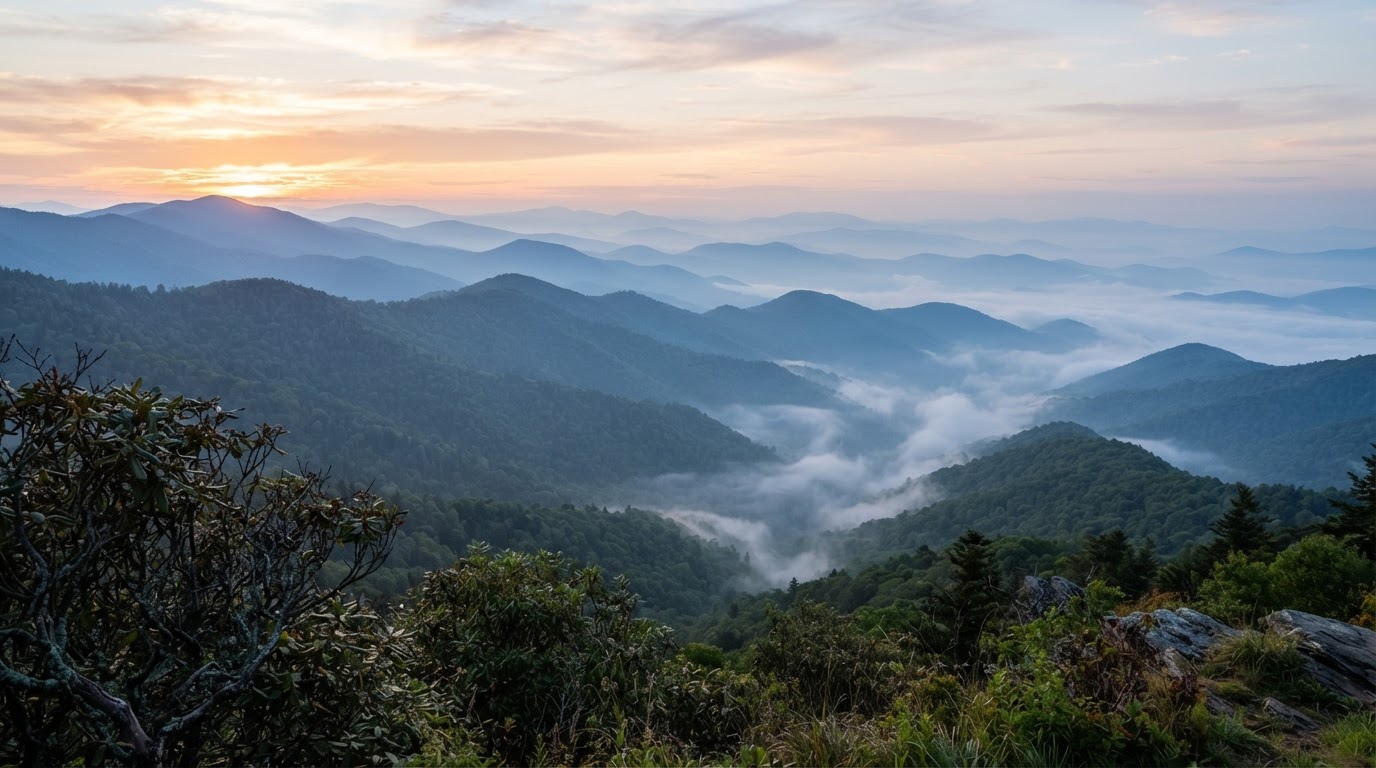
The Great Smoky Mountains are woven into life in East Tennessee. Their layered ridges shape the horizon, their rivers and trails create year-round opportunities to be outdoors, and the communities around them support a major visitor economy. For people considering a move to the Knoxville region, proximity to the Smokies can be part of the appeal\u2014but “near the mountains” can describe many different settings.
Great Smoky Mountains National Park spans Tennessee and North Carolina. On the Tennessee side, Gatlinburg provides direct access near Sugarlands, while Townsend offers a quieter approach to Cades Cove and the park's western side. Beyond the park boundary, Sevierville, Pigeon Forge, Gatlinburg, Townsend, Maryville and surrounding foothill communities each have their own pace, road network, housing patterns and property considerations.
This guide brings those pieces together for visitors, future residents, homeowners and property sellers. It is a starting point for understanding the region\u2014not a substitute for evaluating the exact home, cabin or parcel under consideration.
For Homeowners
Own a home, cabin or land near the Smokies? Talk with Denise before making repairs or setting a timeline. She can help organize the property details buyers are likely to ask about and explain how condition, access, setting and permitted use may affect the sale.
For Buyers & Relocating Clients
Considering a move to East Tennessee? Denise can help compare communities and properties based on everyday priorities\u2014not just a mountain view.
Regional Context
Why the Smokies Matter to East Tennessee Living
For Knoxville-area residents, the national park can be a day-trip destination rather than a once-a-year vacation. Hiking, scenic drives, historic sites, streams, wildlife viewing and seasonal changes are within reach, although drive times vary significantly with starting point, weather, road construction and visitor traffic.
The mountains also influence the region's economy and housing. Hospitality, entertainment, construction, property management and small businesses serve year-round residents as well as visitors. In some areas, primary residences sit near second homes and overnight rentals. That mix can affect traffic, services, neighborhood expectations and the questions a buyer or seller should ask.
Living near the Smokies does not always mean living on a steep mountain road. Options range from in-town homes and planned neighborhoods to wooded acreage, cabins, condos, farms and foothill properties. The practical experience of each property depends on access, topography, utilities, maintenance and land-use rules.
Plan With Official Information
Great Smoky Mountains National Park: Start With the Official Information
Great Smoky Mountains National Park contains more than 800 miles of trails, along with scenic roads, historic buildings, campgrounds, waterfalls and diverse plant and animal life. Conditions can change quickly in the mountains. Before every visit, use the National Park Service for current alerts, road status, weather, trail information and safety guidance.
The park does not charge an entrance fee, but a valid parking tag is generally required for vehicles parked inside the park for longer than 15 minutes. Parking tags do not reserve or guarantee a space. Requirements and prices can change, so confirm them on the official park website before visiting.
Inside the Park
Places to Experience in the Smokies
Cades Cove
Cades Cove is a broad mountain valley south of Townsend. An 11-mile, one-way loop road provides access to historic structures, trails and wildlife-viewing areas. It is one of the park's most visited locations, and congestion is common during busy seasons and weekends. Visitors should allow more time than mileage alone suggests and check current vehicle-free days and operating conditions with the National Park Service.
Sugarlands and Newfound Gap Road
Sugarlands Visitor Center sits near Gatlinburg and serves as a practical starting point for park information. Newfound Gap Road crosses the mountains between Gatlinburg and Cherokee, North Carolina. Elevation and weather can create conditions that differ sharply from those in town, so road status should be checked before departure.
Kuwohi
Kuwohi, formerly known as Clingmans Dome, is the highest point in Great Smoky Mountains National Park. The access road and visitor facilities operate seasonally and may close for hazardous weather. Use the National Park Service's current terminology and confirm access before publishing seasonal promotions.
Little River and the Townsend Side
The Townsend entrance connects visitors with Little River Road, Cades Cove and several trail and picnic areas. This side of the park is often described as the quieter Tennessee gateway, but popular locations can still fill quickly.
Foothills Parkway
Completed sections of the Foothills Parkway provide mountain and valley views from the Tennessee side of the park. Weather, construction and temporary closures can affect access. The official park road-status information should guide trip planning.
Nearby Communities
Communities Near the Great Smoky Mountains
Townsend: A Smaller Gateway Community
Townsend is an incorporated Blount County community near the park's western entrance. Its setting along the Little River and access to Cades Cove make outdoor recreation and tourism visible parts of local life. Housing includes in-town residences, cabins, rural properties and nearby foothill homes.
For a buyer, the key questions may include flood information, septic or sewer service, well or public water, road access, internet availability, restrictions and intended use. For a seller, records concerning improvements, septic systems, surveys, access and permitted use can help buyers evaluate the property more confidently.
Gatlinburg: A Mountain City at the Park Entrance
Gatlinburg sits immediately outside the national park and combines a compact visitor district with hillside roads, residential areas, cabins and condominiums. Its relationship with tourism is central to the local economy and built environment.
Buyers should look beyond distance to the Parkway. Grade, driveway configuration, parking, construction type, fire protection, water and sewer or septic service, rental restrictions, maintenance access and insurance can materially change the ownership experience. Sellers should be prepared to document improvements, permits, access arrangements and any rental history without presenting past performance as a promise of future income.
Pigeon Forge: Entertainment, Lodging and Year-Round Activity
Pigeon Forge extends along the Parkway between Sevierville and Gatlinburg. It is known for entertainment venues, lodging, restaurants, The Old Mill area and Dollywood. Its central corridor can experience substantial traffic during holidays, events and peak travel periods.
Real estate options in and around Pigeon Forge include primary homes, condos, cabins and properties marketed for overnight use. A buyer should verify the exact jurisdiction, zoning, occupancy limits, fire and building requirements, taxes, HOA rules and whether the intended use is lawful for that property. A seller should distinguish verified approvals and records from assumptions based on nearby properties.
Sevierville: County Seat and Regional Base
Sevierville is the seat of Sevier County and Dolly Parton's hometown. Its historic downtown, commercial corridors and proximity to mountain destinations make it both a year-round community and a gateway to the visitor areas farther south.
The city and surrounding county include established neighborhoods, newer development, rural land, cabins and foothill properties. A Sevierville mailing address does not by itself establish whether a property lies inside city limits or which regulations, utilities and taxes apply. Those details should be confirmed by parcel and governing jurisdiction.
Maryville and Alcoa: Everyday Convenience Near the Mountains
Maryville and Alcoa are separate cities in Blount County, northwest of Townsend. They provide access to employers, medical services, parks, greenways, shopping and McGhee Tyson Airport while remaining within reach of the park's Townsend entrance. They can appeal to people who want mountain access without living in a tourism-centered community.
Wears Valley and the Foothills
Wears Valley is an unincorporated Sevier County community between Pigeon Forge and Townsend. The broader foothills include winding roads, wooded parcels, open valley views and varied development patterns. Property-by-property research is especially important: two nearby homes may differ in access, elevation, utilities, restrictions, fire protection and permitted use.
Before You Buy
What Relocating Buyers Should Consider
A mountain view is only one part of daily life. Before choosing a property near the Smokies, consider how the home functions in ordinary conditions as well as during peak visitor seasons or severe weather.
Access and topography
Visit the property and approach roads in conditions relevant to the intended use. Confirm who owns and maintains the road, whether an access easement is recorded, and whether the driveway is practical for the buyer's vehicles. Ask about grade, curves, turnarounds, gates, shared roads and maintenance agreements.
Utilities and connectivity
Confirm water source, sewer or septic service, electric provider, propane or natural gas availability, trash service, cellular reception and internet options for the exact address. Marketing language such as "high-speed internet available" should be verified directly with the provider.
Insurance and natural conditions
Obtain property-specific insurance quotes early. Construction type, slope, roof, prior claims, wildfire exposure, distance from emergency services, flood information and intended occupancy may affect availability and cost. A standard inspection may not answer every question relevant to retaining walls, drainage, private roads, wells, septic systems or steep terrain.
Maintenance
Mountain and wooded properties may require ongoing attention to drainage, vegetation, pests, exterior surfaces, decks, roofs, driveways and storm cleanup. Second-home owners should also plan for routine checks when the property is unoccupied.
Travel time and seasonal traffic
Test routes at the times that matter. Mileage does not capture mountain roads, visitor traffic, school schedules, weather or special events. Confirm access to employment, medical care, groceries and the people or services used regularly.
Boundaries and jurisdiction
A postal address may not identify city limits, zoning authority, school assignment, utility district or tax obligations. Verify the parcel with the city or county, tax office, utility providers and other appropriate agencies.
Investment Properties
Buying a Cabin or Short-Term-Rental Property
A property described online as a “rental cabin” is not automatically approved, suitable or profitable for short-term rental use. Rules can differ among Gatlinburg, Pigeon Forge, Sevierville and unincorporated Sevier County, and they can change over time.
Before purchasing, buyers should independently verify:
- The property's governing jurisdiction and zoning
- Whether overnight rental is a lawful, permitted use
- Required fire, building, safety and operational approvals
- Occupancy and parking limits
- HOA, condominium and deed restrictions
- Business-license, sales-tax and local occupancy-tax obligations
- Lender and insurance requirements for the intended use
- Septic capacity and permitted bedroom count
- Private-road, driveway and emergency-access conditions
- Management, cleaning, maintenance and utility costs
- Any rental history and the assumptions behind projections
Past income is not a guarantee of future results. Revenue can change with management, pricing, condition, competition, seasonality, regulation and economic conditions. Buyers should consult appropriate legal, tax, insurance, lending and property-management professionals before relying on an investment model.
Tennessee Department of Revenue: Local Occupancy TaxFor Homeowners
Guidance for Smokies-Area Sellers
Mountain, cabin and rural-property sales often require more documentation than sellers expect. Organizing information before the home reaches the market can reduce confusion and help identify issues that deserve professional attention.
Useful records may include:
- Survey, deed and recorded easements
- Road-maintenance or shared-access agreements
- Well and water-quality records
- Septic permit, layout and service history
- Building permits and improvement records
- HOA or condominium documents
- Utility and internet-provider information
- Roof, HVAC, deck and major-system records
- Insurance claim information when disclosure is required
- Rental permits, tax records and management agreements, if applicable
- Personal-property inventory when furnishings may convey
Sellers should avoid making unverified statements about rental eligibility, income potential, property lines, number of legal bedrooms, road maintenance or expansion possibilities. Denise can help identify which questions are likely to arise and coordinate the real estate process, while licensed attorneys, inspectors, surveyors, engineers, contractors, tax professionals and government agencies address matters within their fields.
Thinking about selling a Smokies-area home, cabin or parcel?
Talk with Denise early about preparation, documentation, positioning and timing.
Questions & Answers
Frequently Asked Questions
Is Great Smoky Mountains National Park in Tennessee or North Carolina?
It is in both states. The park straddles the Tennessee–North Carolina border. Major Tennessee approaches include Gatlinburg and Townsend.
How close is Knoxville to the Great Smoky Mountains?
The answer depends on the Knoxville starting point and the park destination. Townsend, Gatlinburg, Cades Cove and Newfound Gap are not interchangeable destinations. Traffic, construction, weather and mountain roads can change travel time, so a live map should be used for the specific trip.
Does the national park charge admission?
The park does not charge an entrance fee. However, vehicles parked inside the park for longer than 15 minutes generally require a valid parking tag. Confirm current requirements with the National Park Service.
What is Clingmans Dome called now?
The official name is Kuwohi. The U.S. Board on Geographic Names restored the Cherokee name in 2024. Older maps, articles and searches may still use the former name, so using both terms once on the page can help readers find the current information.
Is Dollywood in Sevierville or Pigeon Forge?
Dollywood's official address is in Pigeon Forge. Sevierville is nearby and is Dolly Parton's hometown.
Is Townsend a good base for exploring the Smokies?
Townsend is near the park's western entrance and Cades Cove. Whether it is the right base depends on the visitor's plans, because destinations near Gatlinburg and Newfound Gap use different routes.
Can every cabin near Gatlinburg be used as an overnight rental?
No. Lawful use depends on the exact property, jurisdiction, zoning, permits, restrictions and safety requirements. Buyers should verify intended use before relying on rental projections.
What should someone verify before buying a mountain-view home?
Important items can include access, slope and drainage, structural condition, septic or sewer service, water source, utilities, internet, insurance, restrictions, road maintenance, fire protection, jurisdiction and intended use.
Can Denise help someone relocating even if they have not chosen a community?
Yes. Denise can help a buyer compare communities based on housing, maintenance, access, daily routes and long-term plans, then focus the property search as priorities become clearer.
When should a Smokies-area homeowner begin preparing to sell?
An early conversation can be useful months before a possible listing. It gives the homeowner time to gather records, understand property-specific questions and avoid improvements that may not support the sale.
Keep Exploring
Explore More of East Tennessee
Every Move Involves More Than Scenery
Denise helps East Tennessee homeowners, buyers and people relocating to the region understand the questions behind the property
So they can make their next decision with greater confidence.
Information is provided for general educational purposes and is deemed reliable but not guaranteed. Community boundaries, park conditions, schools, taxes, utilities, zoning, restrictions, permits, rental eligibility, road conditions, insurance, flood information and amenities should be independently verified for the specific property or trip. Nothing on this page is legal, tax, insurance, engineering or investment advice.