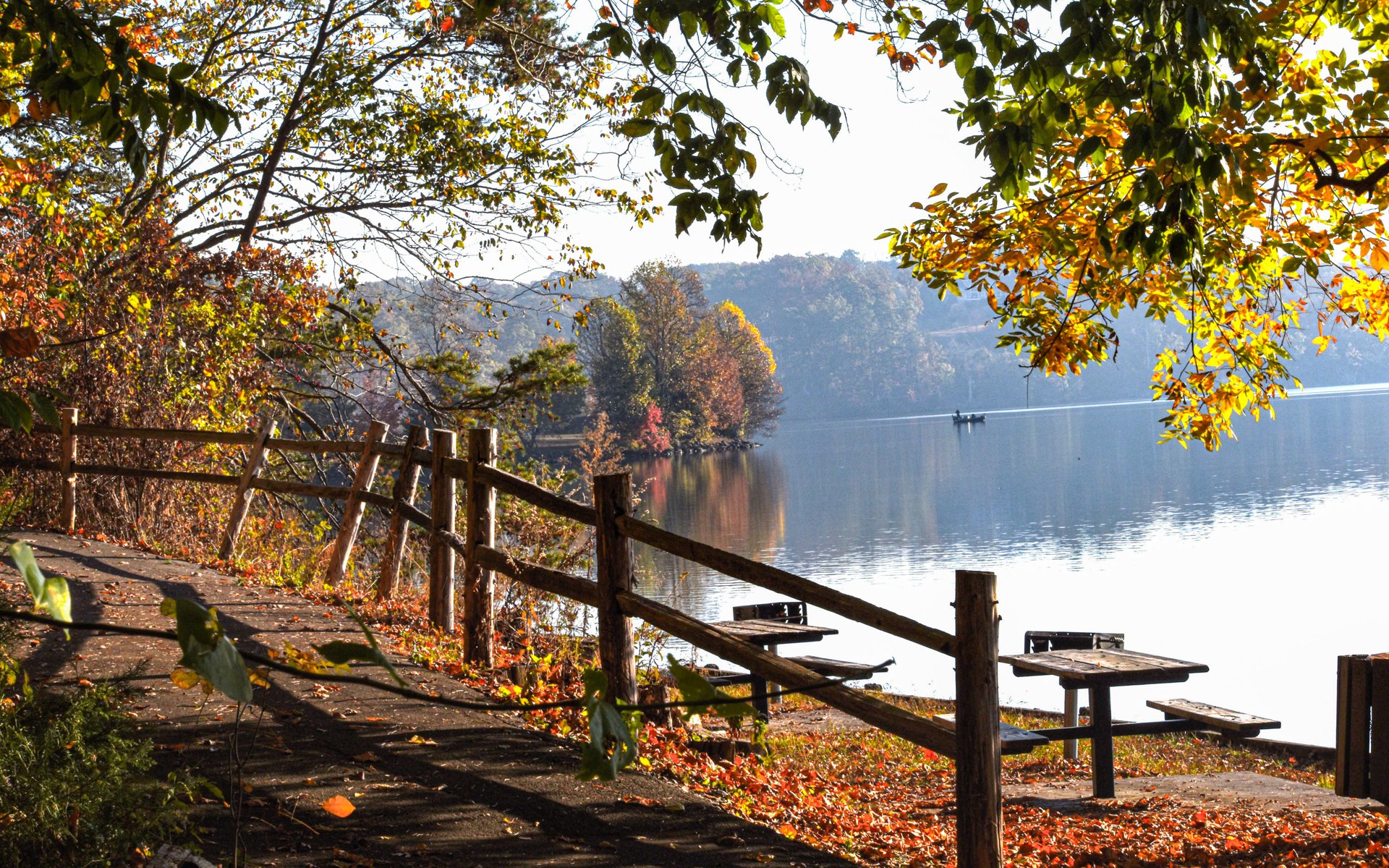
The East Tennessee Lake Region
Discover East Tennessee Lake Living
East Tennessee is shaped by water. TVA reservoirs stretch north, east and southwest of Knoxville, connecting mountain foothills, rural shorelines, historic towns, suburban communities and working river corridors. Together they offer thousands of miles of shoreline—but they do not offer one uniform version of lake life.
Some lakes are known for broad water and long-distance boating. Some are closely connected to Knoxville, Oak Ridge or established daily services. Others have pronounced seasonal water-level changes, planned communities, vacation-home traditions or strong fishing identities. Even on the same lake, a main-channel property, a protected cove, a lake-access neighborhood and a seasonal-view home can provide very different ownership experiences.
This guide introduces seven East Tennessee lakes and the personalities that help distinguish them. It is designed for buyers, sellers, homeowners and people relocating to the Knoxville region who want useful context before evaluating a particular community or property.
The Lakes
Seven Lakes, Seven Personalities
These personalities are a useful starting point—not a claim that every home or shoreline segment on a lake is alike. Follow each guide for reservoir facts, nearby communities, lifestyle considerations and property questions worth investigating.
The Vacation-Lake Classic
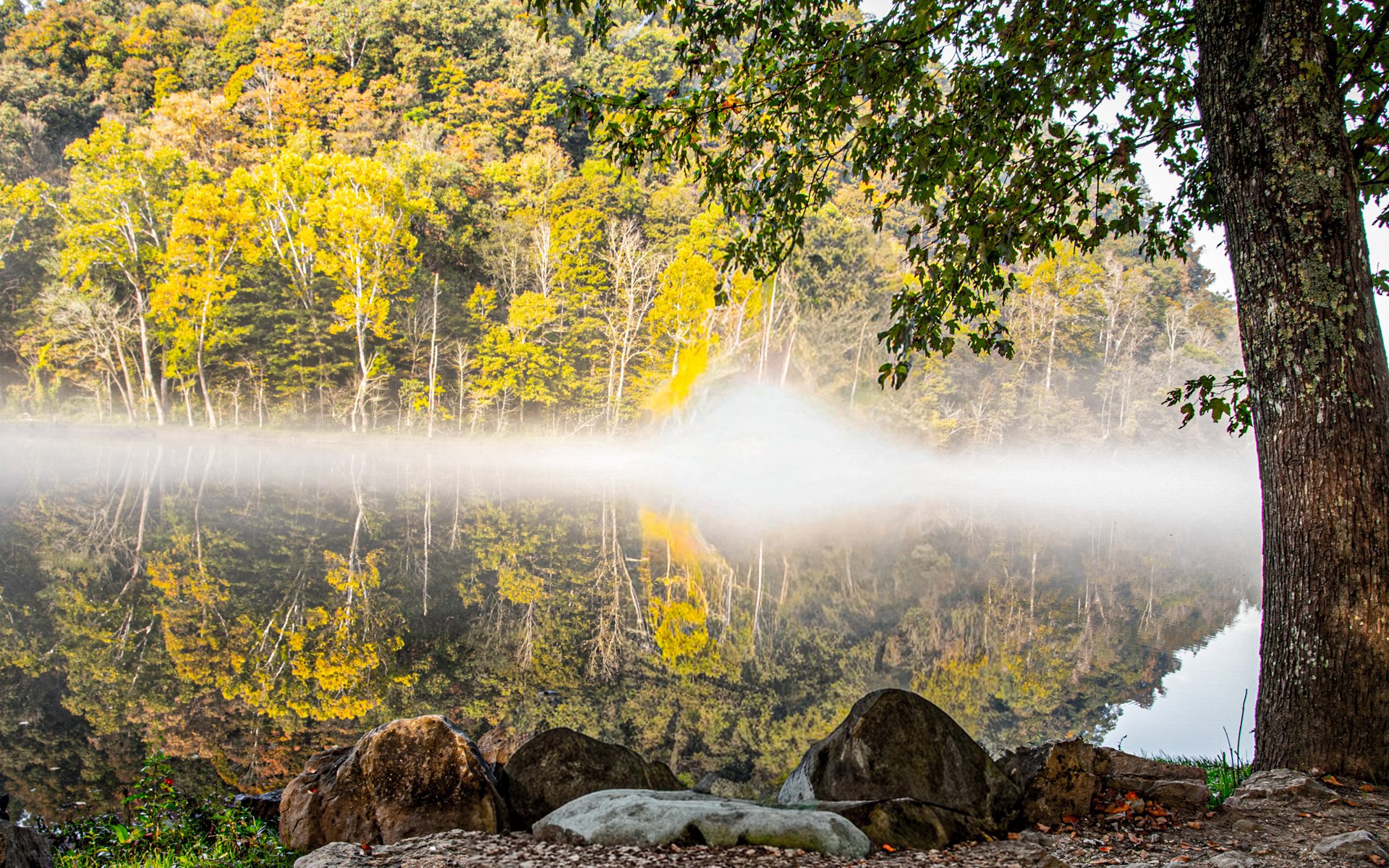
Norris Lake
Deep tributary water, winding coves, extensive shoreline, marinas and a long recreation tradition north of Knoxville. Norris can appeal to boaters, second-home owners and relocating buyers looking for a strong lake identity, but its broad geography makes community, road access and seasonal water depth especially important.
Explore Norris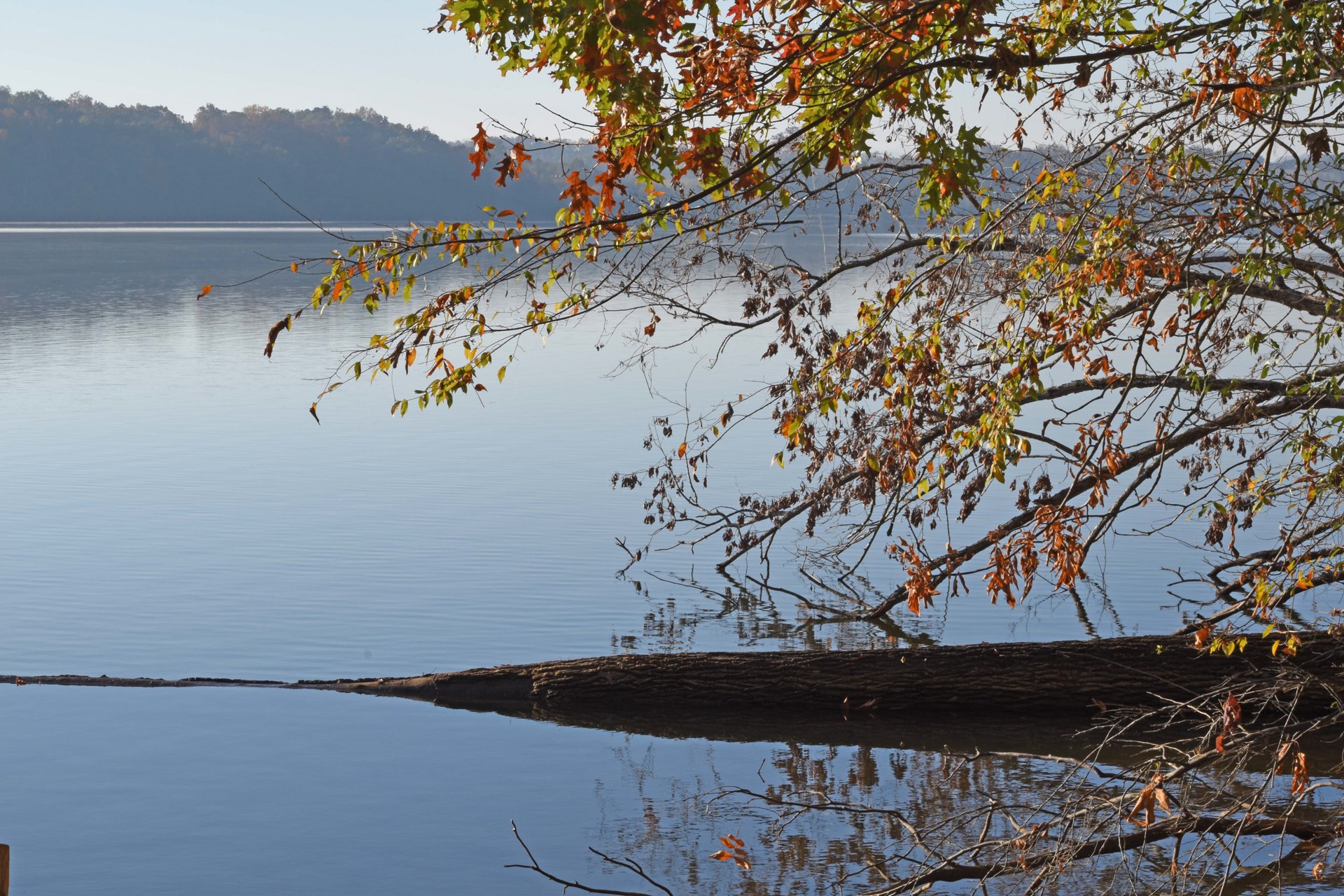
The Planned-Community Lake
Tellico Lake
Foothill scenery, golf-oriented communities and an established relocation and retirement identity southwest of Knoxville. Tellico combines boating and mountain views with communities such as Tellico Village and Rarity Bay, while rural and independent properties create additional choices beyond the best-known developments.
Explore Tellico
The Connected Lake
Fort Loudoun Lake
The Knoxville-area lake, extending through the Tennessee River corridor toward Farragut, Concord, Lenoir City and Loudon. Fort Loudoun can offer lake access within reach of employment, shopping, healthcare and suburban services—although traffic, shoreline setting and navigation activity differ by location.
Explore Fort Loudoun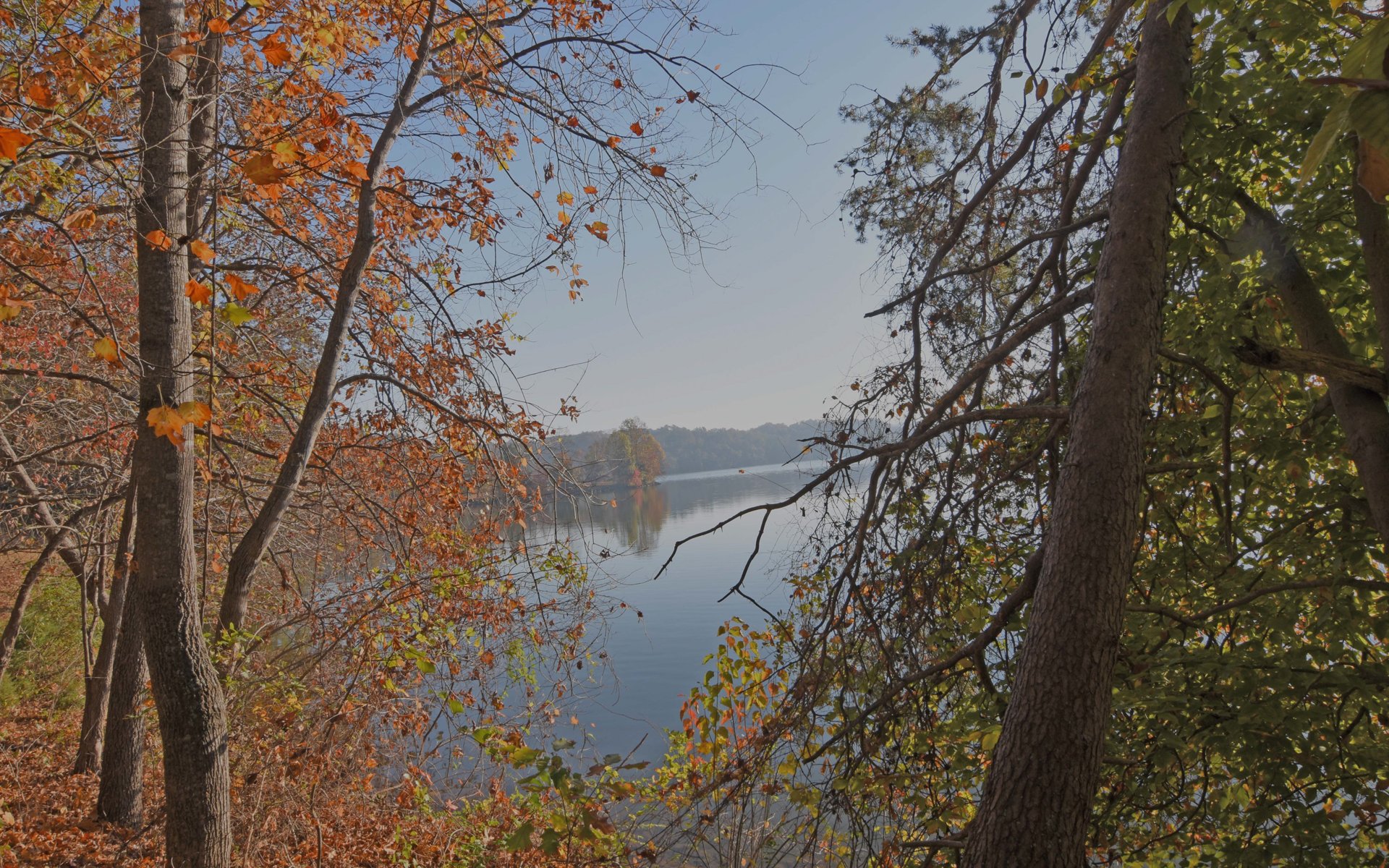
The Big-Water Lake
Watts Bar Lake
Long navigable stretches, broad views and waterfront towns between the Knoxville and Chattanooga regions. Watts Bar covers a large geographic area, making it attractive to boaters and buyers comparing multiple price points, towns and shoreline settings.
Explore Watts Bar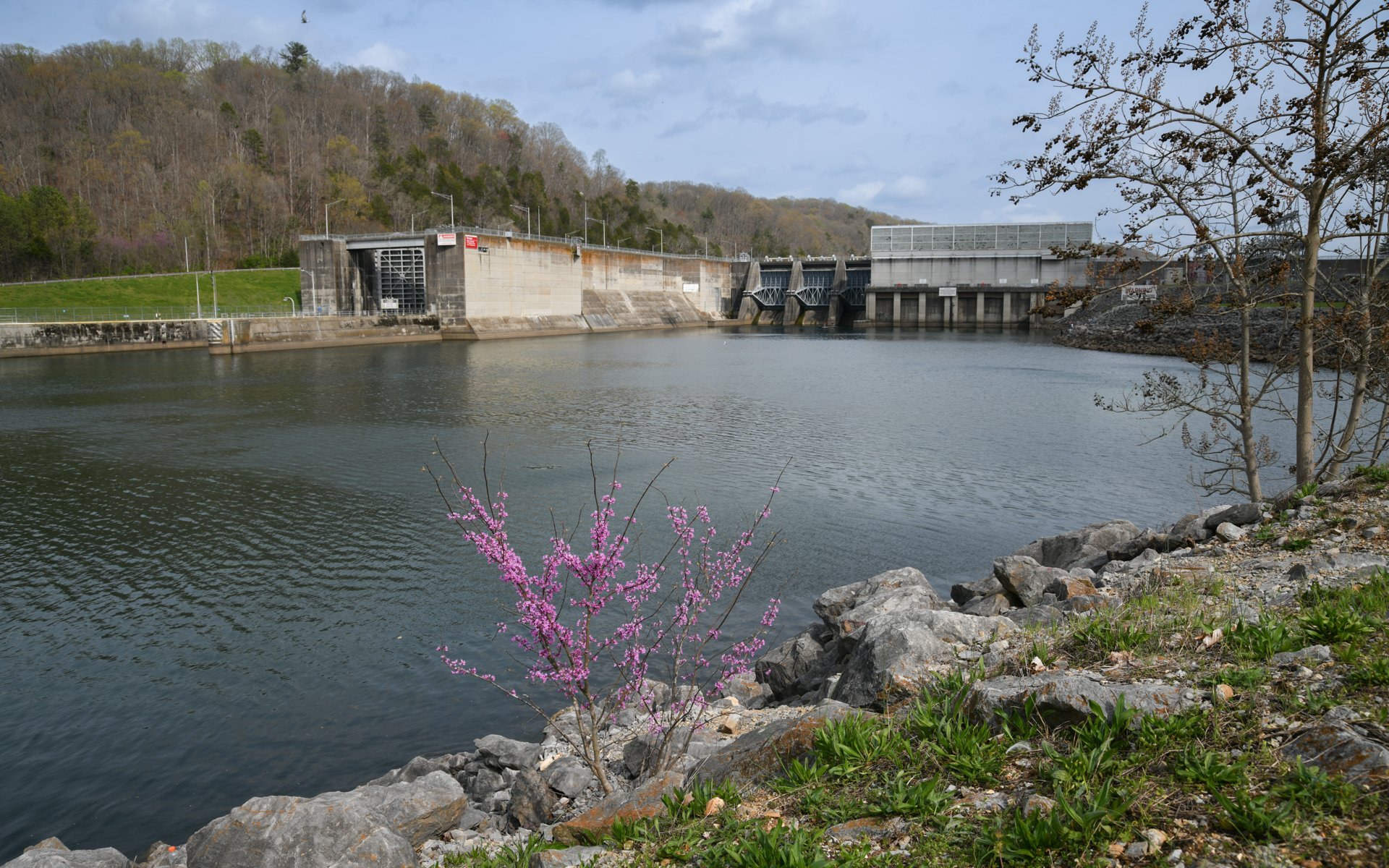
The Active Lake
Melton Hill Lake
Rowing, paddling, trails and access to Oak Ridge give Melton Hill a distinctive working-week personality. TVA identifies it as a run-of-river reservoir with comparatively limited water-level fluctuation, but property conditions and shoreline rights still require parcel-specific review.
Explore Melton Hill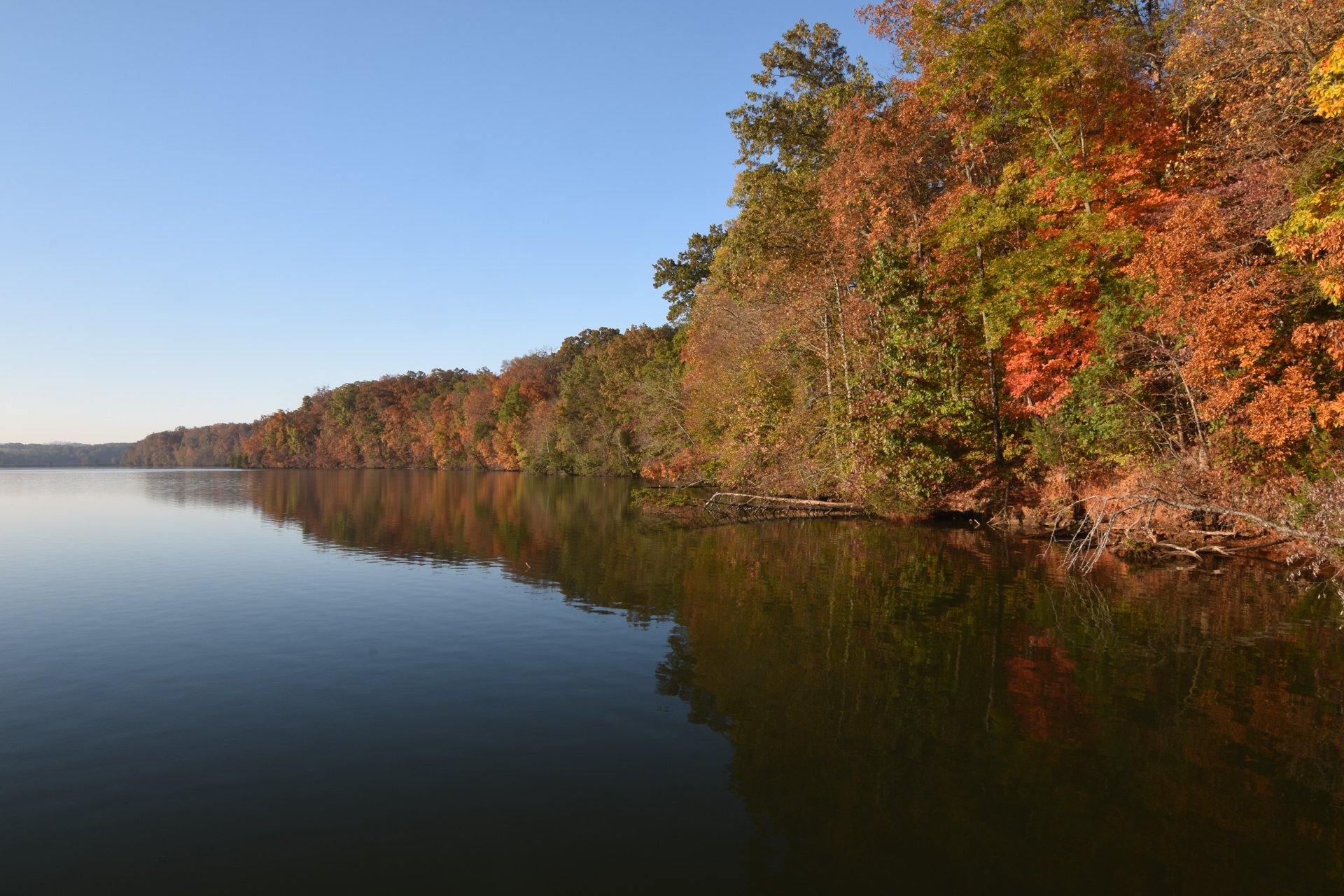
The Smoky Mountain Lake
Douglas Lake
Mountain backdrops, Dandridge history and proximity to Sevierville give Douglas a strong recreation and vacation-market crossover. Its substantial seasonal water-level change is one of the most important facts for buyers to understand before relying on summer photographs or general descriptions of water access.
Explore Douglas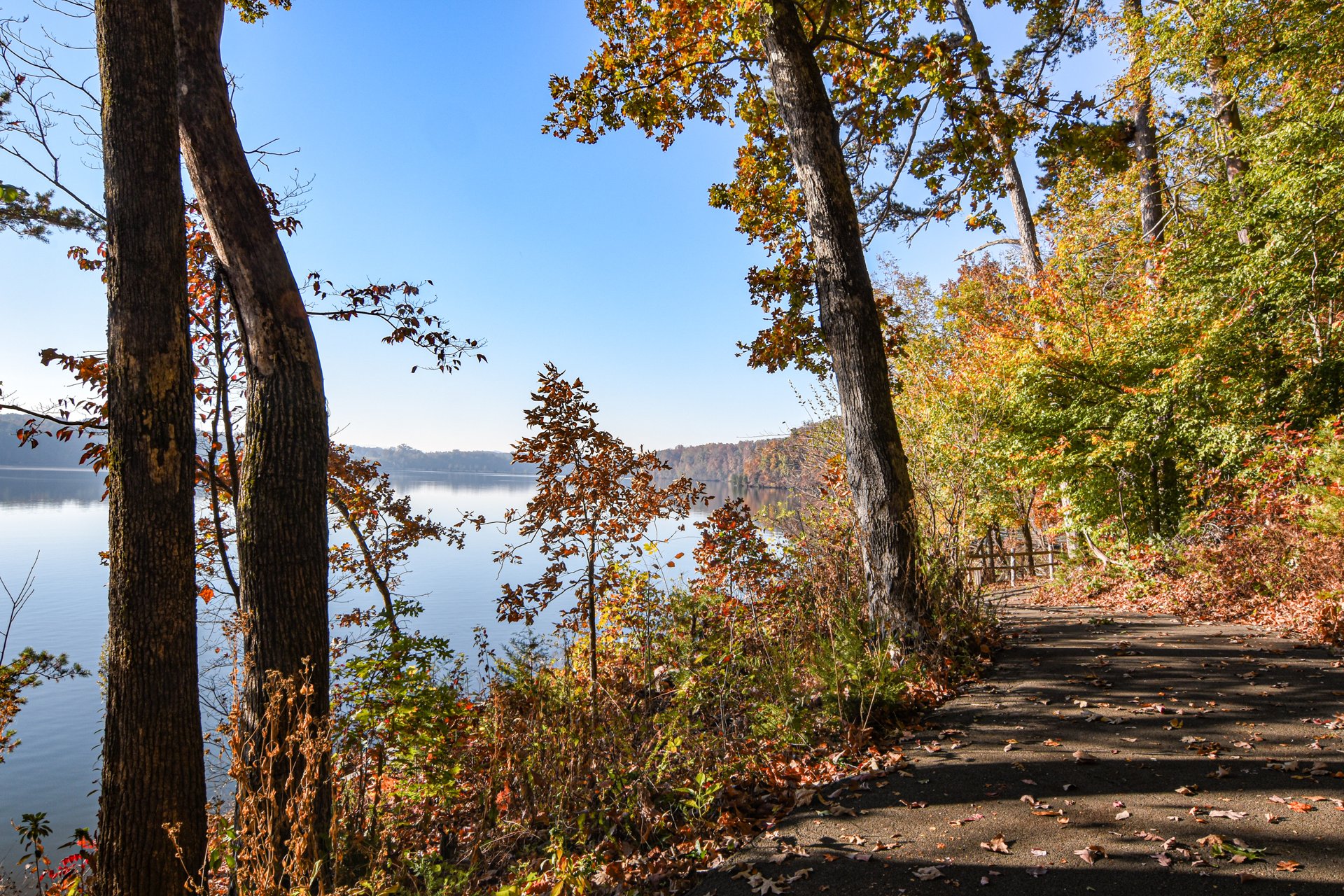
The Quieter Northeast Lake
Cherokee Lake
Broad open water, fishing, public recreation and communities northeast of Knoxville give Cherokee a quieter alternative to some of the region's most heavily marketed lakes. Like Norris and Douglas, it is a tributary storage reservoir with meaningful seasonal water-level variation.
Explore CherokeeAt a Glance
Compare the Seven Lakes
Reservoir measurements and operating information are attributed to the Tennessee Valley Authority. Conditions, regulations, access and property characteristics should always be verified for the specific lake, date and parcel.
| Lake | Defining context | TVA-reported shoreline | TVA-reported water surface | Typical water-level context |
|---|---|---|---|---|
| Norris | Extensive tributary lake north of Knoxville | 809 miles | 33,840 acres | About 29 feet of seasonal variation in a normal-rainfall year |
| Tellico | Foothill lake linked to Fort Loudoun | 357 miles | 15,560 acres | Operates in connection with Fort Loudoun; check current TVA guide |
| Fort Loudoun | Knoxville-area main-stem reservoir | 379 miles | 14,600 acres | Minimum winter elevation 807 feet; typical summer 812–813 feet |
| Watts Bar | Long main-stem reservoir and navigation corridor | 722 miles | More than 39,090 acres | Minimum winter elevation 735 feet; typical summer 740–741 feet |
| Melton Hill | Run-of-river reservoir on the Clinch | Nearly 193 miles | 5,470 acres | Typically fluctuates less than two feet daily, 793–795 feet |
| Douglas | French Broad reservoir near the Smokies | 513 miles | About 28,420 acres | About 44 feet of seasonal variation in an average-rainfall year |
| Cherokee | Holston River reservoir northeast of Knoxville | Nearly 400 miles | About 28,780 acres | About 30 feet of seasonal variation in a normal-rainfall year |
Source: Individual TVA reservoir pages. TVA operating decisions, rainfall and current conditions can produce results that differ from a typical or normal year. Review the figures annually.
Find Your Fit
What Kind of Lake Life Fits You?
If Knoxville access comes first
Begin with Fort Loudoun and Melton Hill. Depending on the exact location, both can provide lake-oriented living within reach of major employment and service areas. Tellico's northern end and portions of Watts Bar may also fit, but travel time should be tested from the actual property at the times that matter.
If boating and a strong vacation-lake culture come first
Begin with Norris. Its extensive shoreline and marina tradition give it a recognizable recreational identity. Watts Bar also deserves consideration for long-distance boating and broad main-channel water.
If mountain scenery comes first
Begin with Douglas and Tellico. Douglas sits in the foothills near the Smokies, while Tellico reaches along the Little Tennessee River toward the mountains. View orientation, seasonal vegetation and surrounding land should be evaluated at the individual property.
If planned-community amenities come first
Begin with Tellico. Compare membership structures, fees, golf and recreation amenities, architectural requirements, community docks and resale considerations. Planned communities also exist around other lakes, so the final comparison should be neighborhood-specific.
If paddling, rowing or active shoreline recreation comes first
Begin with Melton Hill. Its nationally recognized rowing course, parks and Oak Ridge setting distinguish it within the seven-lake group.
If a quieter search area or broader range of entry points comes first
Explore Cherokee and Watts Bar, then compare the individual towns and counties around them. “More attainable” should never be treated as a permanent lake-wide promise; price depends on the exact property, water relationship, improvements, access, condition and current market.
Know the Difference
Lakefront, Lake Access, Lake View—or Lake Community?
These descriptions are not interchangeable.
Waterfront
A waterfront property may adjoin private shoreline, TVA land, a TVA flowage easement or another ownership arrangement. Waterfront does not automatically mean that a dock is permitted, that year-round water is present, or that vegetation and shoreline work are unrestricted.
Lake access
Lake access may be deeded, community-based, licensed, informal or dependent on a public facility. Confirm the legal right, location, maintenance responsibility, parking, dock or slip assignment and any fees.
Lake view
A lake view can be broad, partial, seasonal or dependent on vegetation and neighboring land. Confirm what the property owner controls and avoid assuming that an unobstructed view is permanent.
Lake community
A lake-community home may offer amenities or proximity to water without direct ownership or access. Review association documents, costs, rules and the exact rights conveyed with the property.
Comparing waterfront with other distinctive-property settings such as acreage, custom construction or established neighborhoods? Explore the Luxury Living guide.
Due Diligence
Before You Buy an East Tennessee Lake Property
Lake-property due diligence begins before the home inspection. Depending on the property, buyers may need to review:
- Survey, legal description and boundary relationship to the water
- TVA land, flowage easements and shoreline-access rights
- Existing dock permit and whether the structure matches the approval
- Eligibility for a new or modified dock
- Water depth and access at more than one operating elevation
- Flood maps and property elevation
- Septic permit, approved capacity, repair area and system condition
- Well or public-water service
- Shoreline stabilization, erosion and drainage
- Slope, driveway and emergency access
- Private-road ownership and maintenance agreements
- Utilities, internet and cellular service at the exact address
- HOA, architectural and community-dock rules
- Insurance availability and cost
- Zoning and short-term-rental rules, where relevant
TVA states that approval is generally required for docks and many other shoreline alterations. Existing facilities should be checked against their approved plans, and ownership changes require attention to the permit-transfer process.
For Lake Property Owners
Preparing to Sell a Lake Property
Lake properties are often part of a family's story—the summers, the boat rides, the grandkids and the view from the porch. They can also be difficult to value through ordinary comparable sales alone.
Water relationship, dock status, cove or channel position, view orientation, topography, community amenities, access and home design can materially influence buyer response. A seller can improve clarity by gathering the survey, dock and shoreline approvals, septic records, association documents, improvement permits, utility details and maintenance history before listing. Marketing should distinguish verified property rights from assumptions and should explain seasonal conditions honestly.
The first conversation does not have to begin with “What is my house worth?” It can begin with a more useful question: “Does this property still fit the life we want?”
For Lake Property Owners
Own a Waterfront, Lake-View or Lake-Community Property?
Denise can help organize the details that may affect positioning, buyer confidence and value before you decide whether or when to sell. Tell Denise a little about the property and she'll follow up personally.
Start With Official Information
Start With Official Information
Use public agencies for current reservoir operations, permits, fishing, boating, water-quality advisories, septic information and flood mapping.
This guide is provided for general educational purposes. Reservoir operations, water levels, public access, advisories, regulations, businesses and community amenity can change. Verify current information with the responsible agency. Property boundaries, shoreline rights, dock eligibility, permits, septic capacity, flood information, restrictions, utilities, insurance and intended use should be independently evaluated for the specific property.
Questions & Answers
East Tennessee Lake Living FAQs
Which East Tennessee lake is closest to Knoxville?
Fort Loudoun Lake is the lake most directly connected to Knoxville and the Tennessee River corridor through West and Southwest Knoxville. Melton Hill Lake is closely connected to Oak Ridge and portions of West Knoxville and Hardin Valley. Actual travel time depends on the property's exact location, road network and traffic, so compare addresses rather than lake names alone.
Which East Tennessee lake is best for year-round living?
There is no single best lake for every year-round resident. Fort Loudoun and Melton Hill can appeal to buyers prioritizing employment and everyday services. Tellico is known for planned communities and amenities. Norris, Watts Bar, Douglas and Cherokee include year-round communities as well as more rural and recreation-oriented areas. Healthcare, groceries, utilities, roads, internet and property maintenance should be evaluated from the specific address.
Do East Tennessee lake levels change during the year?
Yes. TVA manages reservoirs for purposes that include flood-damage reduction, navigation, power production, water supply, water quality and recreation. Norris, Douglas and Cherokee are tributary storage reservoirs with substantial typical seasonal variation. Fort Loudoun and Watts Bar operate within narrower main-stem ranges, while TVA identifies Melton Hill as a run-of-river reservoir with comparatively limited typical fluctuation. Rainfall and current operating needs can produce conditions outside a typical pattern. Check TVA's current lake levels and the operating guide for the reservoir.
Does waterfront property automatically qualify for a private dock?
No. Waterfront appearance does not guarantee dock eligibility. TVA jurisdiction, shoreline classification, water depth, navigation, environmental conditions, property rights, existing development and community restrictions may affect what can be approved. Obtain TVA guidance for the specific property before relying on the possibility of a new, expanded or replacement dock.
Does an existing dock automatically transfer when a lake home is sold?
No automatic assumption should be made. TVA explains that a new owner must request the applicable ownership transfer for an existing approved facility, and the structure must comply with its prior approval. Buyers and sellers should obtain the permit and approved drawings, compare them with the existing structure and follow TVA's current transfer process.
What is the difference between waterfront, lake access and lake view?
Waterfront generally means the parcel has a direct relationship to the shoreline, although TVA land or a flowage easement may lie between the private parcel and water. Lake access means the owner has some right or facility for reaching the lake, which may be deeded, community-based, licensed or public. Lake view describes visibility and does not by itself create water-access rights. The deed, survey, title work, association documents and responsible authorities should confirm what conveys.
What should I investigate before buying an East Tennessee lake home?
Important questions may include the survey and shoreline relationship, title and easements, dock approval, water depth at different elevations, flood information, septic permit and capacity, utilities, roads, drainage, insurance, association documents and intended use. The appropriate investigation depends on the property; a general lake guide cannot establish the condition, rights or feasibility of an individual parcel.
Can I use an East Tennessee lake property as a short-term rental?
Possibly, but lake location alone does not determine whether short-term rental is allowed. Verify city or county jurisdiction, zoning, permits, occupancy and fire requirements, septic capacity, HOA and deed restrictions, lender requirements and insurance for the exact property. Nearby rentals do not prove that the same use is lawful or practical for another home.
Are fishing and swimming conditions the same on every lake?
No. Species, fishing regulations, access, water conditions and public-health advisories can differ by reservoir and can change. Use TWRA for current fishing and boating information, TDEC for current water-contact and fish-consumption advisories, and TVA for reservoir operations. Conditions can also vary among coves, tributaries and main-channel areas of the same reservoir.
Which lake is the most affordable?
No lake should be described as permanently the most affordable. Price depends on the county, community, property type, directness of water access, dock, water depth, view, topography, home condition, utilities, restrictions and current inventory. Buyers should compare genuinely similar properties and consider ownership and maintenance costs along with purchase price.
How can a lake-property seller prepare before listing?
Gather the survey, TVA dock and shoreline approvals, septic or sewer records, association documents, private-road agreements, improvement permits and utility information. Check that marketing claims about water access, dock status, views, depth and intended use are supported. Clear documentation can help buyers evaluate the property with greater confidence.
Where should I find current, official lake information?
Use TVA for reservoir operations, lake levels and shoreline permits; TWRA for fishing, boating and public access; TDEC for water-quality, fish-consumption and septic information; FEMA for official flood mapping; and the appropriate county or municipality for parcels, zoning, building requirements and local rules.
For Homeowners
Considering Lake Living?
Explore available lake-area properties, or talk with Denise about which lake actually fits the life you're picturing — no pressure, no obligation.
This page provides general real estate information for Knoxville and East Tennessee homeowners. It does not constitute legal, tax, accounting, lending, inspection, or appraisal advice. Market conditions change, and any figures shown are estimates for preliminary planning only — not a valuation, closing statement, commission quote, or guarantee. Real estate brokerage compensation is negotiable and is not fixed by law. For questions requiring specialized expertise, consult the appropriate qualified professional. Equal housing opportunity.
Prepared and reviewed by Denise Yeo, REALTOR®
Knoxville and East Tennessee real estate broker, License #349675
Last reviewed: August 2026