West Hills
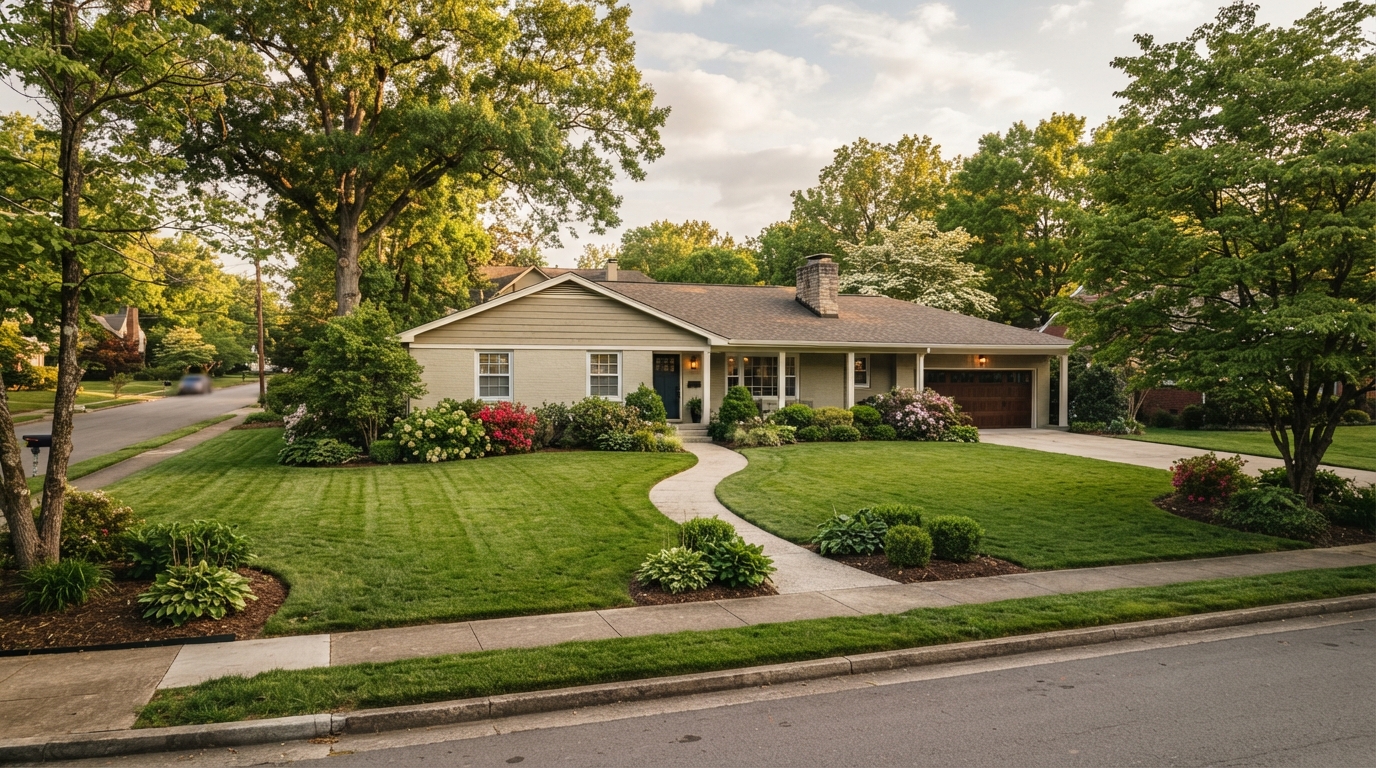
West Hills is one of Knoxville's recognizable postwar residential neighborhoods. Development began in the 1950s, when the area was considerably farther from Knoxville's established center than it feels today. The neighborhood's growth accompanied the broader westward expansion of the city and preceded much of the commercial development now associated with this part of Kingston Pike.
The housing stock includes many ranch-style and other mid-century homes, along with split-level and later designs. Individual properties may range from substantially original to extensively renovated. Mature trees, established landscaping, additions completed at different times and variations in lot elevation mean that two nearby homes can present very different condition and maintenance questions.
West Hills/John Bynon Park and the Jean Teague Greenway give the neighborhood a visible public-recreation connection. The City of Knoxville identifies the Jean Teague Greenway as connecting West Hills Park with West Hills Elementary, the Westside YMCA, Cavet Station Greenway and Ten Mile Creek Greenway. Current facilities, closures and connections should be checked through the City before a visit.
For homeowners
Gather records for additions, windows, roofing, electrical or plumbing work, mechanical systems and substantial interior changes. In a neighborhood containing both updated and substantially original homes, the quality and documentation of improvements may matter more than following a generic renovation checklist.
For buyers
Evaluate the home's systems, drainage, crawl space or basement where present, grading, trees, additions and renovation history. Do not assume that the condition or layout of one West Hills home represents another.
Bearden
Bearden is both an established Knoxville community and a name used for a broad area around Kingston Pike and nearby corridors. Its history reaches back well before the surrounding postwar suburbs. The Knoxville History Project traces the early community to the late eighteenth century and explains that the name Bearden came into use during the nineteenth century.
Because Bearden developed over a long period and its name is applied in different ways, its residential properties are especially varied. Depending on the exact location, a buyer may encounter older detached homes, later infill, condominiums, townhomes or properties influenced by the commercial and mixed-use activity along Kingston Pike and Sutherland Avenue.
The area's location can place homes near public greenways, local businesses, arts destinations and major roads, but proximity on a map does not establish a comfortable walking route or predictable travel time. Sidewalks, crossings, street connections, parking and traffic should be evaluated from the actual property.
For homeowners
Be prepared to explain improvements, additions, parking arrangements, access and any use or zoning questions that may be relevant to the property. Older homes and infill properties may require different positioning even when they share a Bearden address.
For buyers
Clarify what the listing means by “Bearden.” Confirm the exact location, jurisdiction, property type, parking, renovation history, permitted use and the routes the buyer expects to use regularly.
Forest Heights
Forest Heights is an established neighborhood near the Bearden and Sutherland Avenue area. Its earlier development reflects the rise of automobile-oriented residential growth during the first half of the twentieth century. The neighborhood is associated with a broader architectural mix than a single postwar subdivision, including revival-influenced styles and homes built across different years.
The relationship among the house, terrain and street is an important part of evaluating a Forest Heights property. Sloping lots, retaining features, drainage, mature trees, driveways and additions may deserve closer review depending on the address. Renovations can also vary substantially in scope and documentation.
Forest Heights has an active neighborhood association, and the neighborhood has worked with community and city partners on planning for its pocket park. A neighborhood association can be an important source of current community information, but its presence does not by itself establish mandatory dues or property restrictions. Those must be verified through the property's recorded documents.
For homeowners
Organize information about structural work, retaining walls, drainage improvements, additions, exterior projects and major systems. If the home has distinctive older materials or architectural features, decide how they should be explained and presented rather than assuming every buyer expects a completely modernized interior.
For buyers
Pay attention to slope, water movement, foundation and retaining features, access, tree condition and the quality of renovations. Ask which improvements were permitted and whether supporting records are available.
Westwood
Westwood is an established residential area near Bearden, Forest Heights, Kingston Pike and Sutherland Avenue. Historic-resource research records a Westwood subdivision off Kingston Pike in the late 1930s, helping explain why its streets and homes can differ from the later postwar patterns associated with West Hills.
The neighborhood's housing can include homes from different periods, renovations completed at different times and compact residential streets close to major Knoxville corridors. Westwood Park, located behind Bearden Elementary School, provides a small public neighborhood park and walking-loop connection; access and parking conditions should be checked through current public information.
Its central location may be attractive to people comparing access to several parts of Knoxville, but the property itself still determines the experience. Lot configuration, parking, traffic approach, renovation history and the relationship between the home and nearby streets should be evaluated individually.
For homeowners
Gather records for renovations, additions, roofing, mechanical systems, windows and drainage or exterior work. Explain off-street parking, access and improvements clearly where they may not be obvious from photographs.
For buyers
Compare the actual construction and lot rather than relying on the broad Bearden label. Confirm parking, road access, school assignment, major-system condition and whether observed renovations were completed and documented appropriately.
Deane Hill
Deane Hill is a familiar West Knoxville name used for a residential area as well as nearby roads and commercial destinations. Knoxville historic-resource research records the Deane Hill subdivision in 1951, placing an important part of its residential development within Knoxville's postwar growth.
Homes associated with the area may include mid-century designs, later construction and properties that have been expanded or updated over time. Because “Deane Hill” may be used more broadly than the recorded subdivision, buyers and sellers should distinguish the exact property from the surrounding commercial and residential references.
Location near Kingston Pike and other major roads can make route choice important. A short map distance does not guarantee the same traffic pattern, driveway experience or neighborhood approach for every property.
For homeowners
Document additions, remodeled areas and major-system updates. Consider how the home's original architecture, later changes, lot and access compare with nearby alternatives before deciding what preparation is necessary.
For buyers
Confirm whether the property lies within a recorded subdivision, whether restrictions apply, how the driveway and street function and what renovation or permit records are available.
Westmoreland
Westmoreland is an established West Knoxville residential name associated with homes and streets between the Bearden area and neighborhoods farther west. Its properties may include custom and individually renovated homes rather than one uniform building pattern, making house-by-house comparison especially important.
Mature landscaping, varied architecture, differing lot sizes and renovation histories can contribute to the neighborhood's visual character. They can also create property-specific questions involving exterior maintenance, drainage, additions, trees, driveways and the age of major systems.
The Westmoreland Civic Association provides a source of neighborhood information and events. As elsewhere, participation in a civic association should not be confused automatically with a mandatory homeowners association or a complete statement of deed restrictions. Recorded property documents control.
For homeowners
Assemble surveys, plans, permits, renovation records and information about exterior or drainage work. If the home contains custom features, substantial additions or older materials, help prospective buyers understand what was done and how it has been maintained.
For buyers
Compare construction quality, renovation scope, lot characteristics and supporting documentation. Verify restrictions, property boundaries and association obligations for the exact address.
Westmoreland Heights
Westmoreland Heights has a distinct development history. Knoxville's historic-resource survey reports that the subdivision was underway before 1935 and that its plat was revised in 1941. That earlier origin helps distinguish it from some of West Knoxville's larger postwar neighborhoods.
The area's age means individual homes may have been altered, expanded or renovated across several generations of ownership. Architectural details, original materials and mature sites may be part of a property's appeal, while roofs, drainage, foundations, electrical and plumbing systems, windows, additions and exterior structures may require careful documentation and inspection.
Public planning records also reflect an organized Westmoreland Hills homeowners association in at least part of this broader area. Because the everyday use of Westmoreland, Westmoreland Heights and Westmoreland Hills can create confusion, buyers and sellers should confirm the recorded subdivision name, governing documents and association requirements for the exact parcel.
For homeowners
Locate deeds, restrictions, surveys, plans, permits and association approvals that may relate to alterations or accessory structures. Clarifying the property's legal and improvement history can reduce uncertainty before marketing begins.
For buyers
Do not rely solely on the neighborhood name used in a listing. Verify the recorded subdivision, applicable restrictions, association obligations, boundaries and documentation for additions or substantial changes.
Rotherwood
Rotherwood is a smaller West Knoxville residential name that may be less familiar to someone researching from outside the area. Because publicly available neighborhood-level information is limited, the specific address, recorded subdivision documents and surrounding streets should lead the evaluation rather than a broad online description.
Homes marketed within Rotherwood may differ in age, architecture, renovation history, lot configuration and relationship to nearby West Knoxville neighborhoods. A smaller supply of directly comparable properties can also make broad neighborhood-level conclusions less reliable.
For homeowners
Prepare a clear property history, including significant improvements, additions, major systems, surveys and restrictions. When a neighborhood has fewer recent comparable sales, the individual home's condition and the selection of appropriate comparisons become especially important.
For buyers
Confirm the exact subdivision and boundaries, review recorded restrictions and evaluate the property's construction, improvements, lot and access on their own merits.
Bearden Hill
Bearden Hill is a recognized West Knoxville area identity near the broader Bearden and Deane Hill setting. Because the name may be used for homes, roads and nearby commercial references, the individual address—not the familiar label—should guide questions about legal subdivision, access, zoning, school assignment and property obligations.
Homes and residential communities associated with the area may differ in age, construction, lot configuration and ownership structure. A detached home, condominium or planned residential property can require a very different review even when each is described as being near Bearden Hill.
For homeowners
Denise can help identify the property's most accurate market context, determine which updates and records buyers are likely to ask about and position the home without relying on a broad location label alone.
For buyers
Confirm property type, parking, access, association responsibilities where applicable, school assignment and daily routes from the exact address. Proximity on a map does not establish the same driving, walking or ownership experience.
Bearden Village
Bearden Village is a recognized area within the larger Bearden setting. Its proximity to Kingston Pike, local businesses, public destinations and mixed residential forms gives it a different property context from a conventional subdivision composed of similar detached homes.
The name should be treated as useful orientation rather than proof of a legal boundary or ownership structure. Depending on the address, property questions may include parking, access, shared maintenance, association documents, permitted use, nearby commercial activity and the quality and documentation of renovations.
For homeowners
Clear information about improvements, parking, access, association obligations and the home's relationship to nearby uses can help buyers understand the property before a showing rather than leaving important questions unanswered.
For buyers
Compare the actual residence and ownership documents. Verify the route to the destinations that matter, whether sidewalks and crossings serve that route, and any association, rental, insurance or maintenance responsibilities that apply.
Deane Hill Estates
Deane Hill Estates is a recorded residential identity within the larger Deane Hill area. Its inclusion here helps distinguish a specific subdivision name from the broader way "Deane Hill" is used for nearby homes, roads and commercial destinations.
As with other established West Knoxville properties, construction date, additions, renovation history, lot characteristics and recorded restrictions should be reviewed at the individual-property level. A shared subdivision name does not mean every home has the same condition, layout or improvement history.
For homeowners
Assemble records for additions, remodeling, roofing, mechanical systems, drainage work and other significant improvements. Denise can help evaluate which details strengthen the home's presentation and which questions should be addressed before listing.
For buyers
Review the survey or recorded plat when available, applicable restrictions, property condition, lot drainage, access and permit history. Confirm schools and municipal information using the exact address.
Westmoreland Hills
Westmoreland Hills is a recorded residential identity associated with the broader Westmoreland area. The name offers a more precise starting point than the broad West Knoxville label, but legal description, restrictions, association obligations and property boundaries still require exact-address research.
Homes within an established residential setting can vary considerably because of original construction, later additions, landscaping, drainage work and renovations completed across different decades. The quality and documentation of those changes may be central to both pricing and due diligence.
For homeowners
Denise can help compare the home with genuinely relevant alternatives, organize improvement information and decide whether preparation should emphasize condition, architecture, lot features or documented updates.
For buyers
Look beyond finish selections to major systems, alterations, drainage, trees, access and available records. Verify restrictions and any association responsibilities rather than inferring them from the neighborhood name.